




8 API Threat Vectors Targeting Patient Data
Based on OWASP API Security Top 10 and real-world healthcare breach analysis.
Broken Authentication
Weak token management, predictable session IDs, or missing MFA allows attackers to impersonate doctors, patients, or administrators and access medical records.
Broken Object-Level Authorization (BOLA)
APIs that use predictable patient IDs (sequential integers) allow attackers to enumerate and access other patients records by incrementing the ID in API requests.
Excessive Data Exposure
APIs return complete patient objects (including diagnosis, billing, SSN) when the frontend only needs name and appointment time. Attackers intercept the full payload.
Injection Attacks
SQL, NoSQL, and LDAP injection through medical search fields, patient name inputs, or diagnosis code filters. Healthcare apps often have complex search functionality that is injection-prone.
Mass Assignment
APIs that accept patient profile updates allow attackers to modify fields they should not have access to — like changing their insurance status, doctor assignment, or access role.
Security Misconfiguration
Default credentials on EMR integration endpoints, verbose error messages exposing database schema, CORS wildcard allowing any origin to call patient APIs, debug mode in production.
Insufficient Logging & Monitoring
Healthcare APIs without comprehensive audit logs cannot detect data breaches, unauthorized access patterns, or comply with regulatory requirements for access tracking.
Server-Side Request Forgery (SSRF)
APIs that fetch external resources (lab reports from partner labs, insurance verification) can be tricked into accessing internal systems, cloud metadata, or other patient databases.
6-Layer Security Architecture
Each layer addresses a different attack surface. Together they provide defense-in-depth for patient data.
Network Security
First line of defense — protect the network perimeter and control traffic flow to healthcare APIs
Application Security
Protect the API application layer from injection, XSS, and logic-level attacks
Authentication & Authorization
Verify identity and enforce granular access control for every API request
Data Security
Encrypt and protect patient data at every stage — rest, transit, and use
Monitoring & Detection
Real-time visibility into API access patterns with automated threat detection and alerting
Compliance & Governance
Automated compliance verification, audit trails, and regulatory reporting
Healthcare API Security Checklist
Authentication
Critical Priority- OAuth 2.0 with PKCE for all client apps
- JWT tokens with 15-minute expiry
- Refresh token rotation (single-use)
- MFA for clinical staff and admin APIs
- API key rotation every 90 days
- Rate limiting on login endpoints (5 attempts/minute)
Security Architecture Components
| Component | Purpose | Technology |
|---|---|---|
| API Gateway | Central entry point for all healthcare API traffic. Handles authentication, rate limiting, request routing, and payload inspection. | Kong Gateway / AWS API Gateway |
| OAuth2 / OIDC Server | Manages identity, authentication tokens, and single sign-on across patient apps, doctor portals, and admin dashboards. | Keycloak / Auth0 |
| Web Application Firewall | Inspects HTTP traffic for SQL injection, XSS, and healthcare-specific attack patterns. Blocks malicious requests before they reach APIs. | AWS WAF / ModSecurity |
| SIEM Platform | Aggregates security events from all API layers, correlates threats, and triggers automated responses for suspicious activity. | ELK Stack / Splunk |
| Hardware Security Module | Secure key storage and cryptographic operations for encryption keys, digital signatures, and certificate management. | AWS CloudHSM / HashiCorp Vault |
| Data Masking Engine | Dynamically masks or redacts PHI in non-production environments and for users without appropriate access levels. | Custom Engine / Delphix |
| Audit Logger | Immutable, append-only audit trail recording every data access, modification, and sharing event for compliance. | Custom (PostgreSQL + S3 archival) |
| Certificate Manager | Automated TLS certificate provisioning, renewal, and rotation for all API endpoints and mTLS connections. | Let's Encrypt + AWS ACM |
6 Regulatory Frameworks Compared
HIPAA
United StatesEnd-to-end encryption (AES-256), PHI access controls, comprehensive audit trails, BAA with all vendors, breach notification within 60 days, minimum necessary data principle
Penalty: Up to $1.5M per violation category per year; criminal penalties for willful neglect
DISHA
IndiaPatient consent for data collection and sharing, data breach notification to authority, right to data portability and erasure, health data retention policies, appointment of data protection officer
Penalty: Up to Rs 5 crore for unauthorized data access; imprisonment up to 5 years for intentional breach
ABDM / NHA
IndiaABHA ID verification APIs, HIE consent framework integration, UHI gateway compliance, data stored on India servers only, FHIR R4 data exchange standards, digital health ID linkage
Penalty: Exclusion from national digital health ecosystem; loss of government health scheme participation
GDPR
European UnionExplicit patient consent with granular controls, right to erasure (right to be forgotten), 72-hour breach notification, Data Protection Impact Assessment, cross-border transfer restrictions (adequacy decisions)
Penalty: Up to 4% of annual global turnover or 20M euros, whichever is higher
ISO 27799
GlobalHealthcare-specific information security management, risk assessment framework for health data, access control policies aligned with clinical roles, incident management procedures, business continuity for health IT
Penalty: No direct penalty; loss of certification affects trust, insurance premiums, and partner requirements
SOC 2 Type II
GlobalSecurity, availability, processing integrity controls, continuous monitoring over 6-12 month audit period, third-party vendor risk management, change management procedures, logical access controls documentation
Penalty: No direct penalty; required by enterprise hospital chains and health insurers as vendor prerequisite
Cost Breakdown by Engagement Size
| Tier | Scope | Cost | Features | Timeline |
|---|---|---|---|---|
| Security Audit Only | Any Size | Rs 3-8 Lakh | Vulnerability assessment, penetration testing, compliance gap analysis, remediation roadmap | 1-2 weeks |
| Health-Tech Startup | 1-10 APIs | Rs 8-20 Lakh | API gateway, OAuth2, encryption, WAF, basic monitoring, ABDM compliance | 4-6 weeks |
| Hospital / Chain | 10-50 APIs | Rs 20-60 Lakh | Zero-trust architecture, SIEM, HSM, advanced monitoring, multi-compliance (HIPAA+DISHA+ABDM), 24/7 support | 6-8 weeks |
| Enterprise | 50+ APIs | Rs 60L - 2 Crore | Full zero-trust, dedicated SOC, red team exercises, custom compliance engine, continuous pen testing, DR/BC | 10-12 weeks |
How We Compare
| Feature | Cartoon Mango | Big 4 (Deloitte/PwC) | Boutique Security | Global (Imperva/Salt) |
|---|---|---|---|---|
| India Healthcare Expertise | Deep ABDM/DISHA/NHA experience | Generic healthcare practice | Varies, often niche | US/EU focused, no India regs |
| ABDM / DISHA Knowledge | Native integration experience | Awareness, limited implementation | Rare | None |
| API-First Approach | API security specialists | Broad cybersecurity (network, endpoint, API) | Often network/endpoint focused | API security products, not services |
| Implementation Cost | Rs 3L - 2Cr (engagement-based) | Rs 50L - 5Cr+ (minimum engagement) | Rs 5L - 30L | $50K-500K + annual license |
| Response Time | 48-hour critical patch deployment | 2-4 week engagement start | 1-2 weeks | Product updates on vendor schedule |
| Compliance Coverage | HIPAA + DISHA + ABDM + GDPR + ISO | Comprehensive but expensive | Usually 1-2 frameworks | HIPAA + GDPR (no India) |
| Custom Development | Full-stack security development | Advisory + partner implementation | Limited development capability | Product only, no custom |
| Ongoing Support | 24/7 managed security option | Retainer-based advisory | Limited after-engagement | Product SLA only |
8-Week Implementation Roadmap
Security Audit & Gap Analysis
- Inventory all healthcare API endpoints and data flows
- Automated vulnerability scanning (OWASP ZAP, Burp Suite)
- Manual penetration testing of critical patient-facing APIs
- Compliance gap analysis against HIPAA/DISHA/ABDM
Security Architecture Design
- Design zero-trust API security architecture
- Select and configure API gateway and WAF
- Design authentication/authorization model (RBAC + ABAC)
- Plan encryption strategy (transit, rest, use)
Implementation
- Deploy API gateway with healthcare security policies
- Implement OAuth 2.0/OIDC with SMART on FHIR support
- Configure WAF rules and DDoS protection
- Set up SIEM with healthcare-specific correlation rules
- Implement audit logging and data masking
Penetration Testing & Remediation
- Full penetration test of secured API infrastructure
- OWASP API Security Top 10 validation
- ABDM/HIPAA compliance verification testing
- Remediate findings and retest
Compliance Certification & Handover
- Generate compliance documentation for HIPAA/DISHA/ABDM
- Security operations runbook and incident response plan
- Team training on security monitoring and incident response
- Ongoing monitoring setup with automated alerting
Get a Free API Security Audit
We will scan your healthcare APIs for the OWASP Top 10 vulnerabilities, assess ABDM/HIPAA compliance gaps, and deliver a prioritized remediation roadmap — free of charge.
Book Free Security AuditRelated Services
Frequently Asked Questions
Common questions about AI automation for healthcare API security and patient data protection
What are the most critical healthcare API security risks?
The top 5 healthcare API security risks are: (1) Broken Authentication — weak token management allowing unauthorized access to patient records, (2) Broken Object-Level Authorization (BOLA) — patients accessing other patients data by manipulating record IDs, (3) Excessive Data Exposure — APIs returning full patient objects when only name/appointment was requested, (4) Injection Attacks — SQL/NoSQL injection through unsanitized medical search queries, and (5) Security Misconfiguration — default credentials on EMR integration endpoints. Together, these account for 93% of healthcare API breaches globally.

How much does healthcare API security implementation cost in India?

What is ABDM API security and why does it matter?
How long does it take to implement healthcare API security?
What encryption standards are required for patient data?
How do we comply with both HIPAA and Indian healthcare regulations?
What is zero-trust architecture for healthcare APIs?
How often should healthcare APIs undergo security audits?
What API gateway should we use for healthcare applications?
How do we secure telemedicine and video consultation APIs?
What is the biggest healthcare API security mistake companies make?
Can you secure our existing healthcare APIs without rebuilding them?
Want to See What We Build with Healthcare API Security?
Get a free consultation and discover how we can turn your idea into a production-ready application. Our team will review your requirements and provide a detailed roadmap.
- Free project assessment
- Timeline & cost estimate
- Portfolio of similar projects
Your information is secure. We never share your data.
We Have Delivered 100+ Digital Products



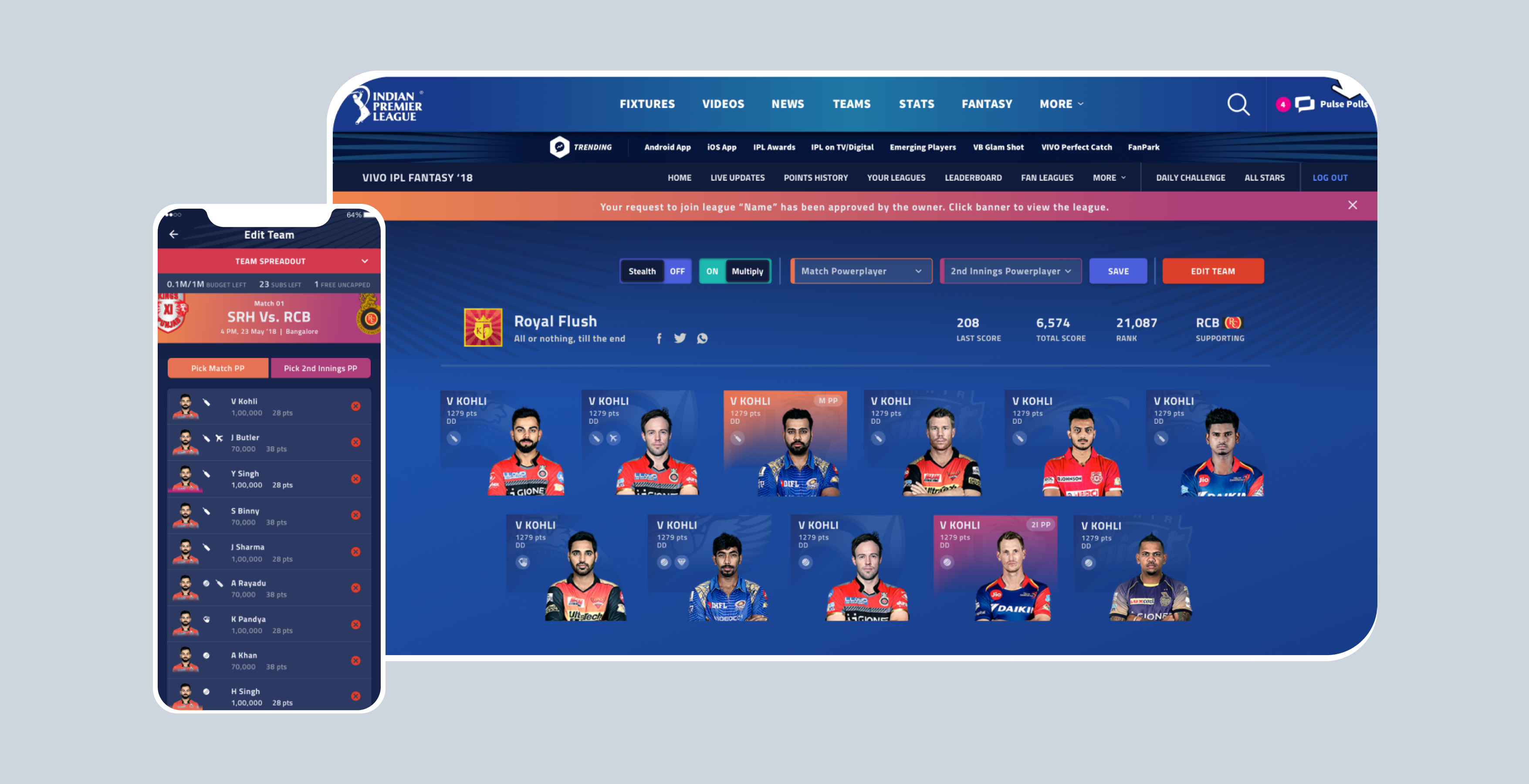
Sports and Gaming
IPL Fantasy League
Innovation and Development Partners for BCCI's official Fantasy Gaming Platform
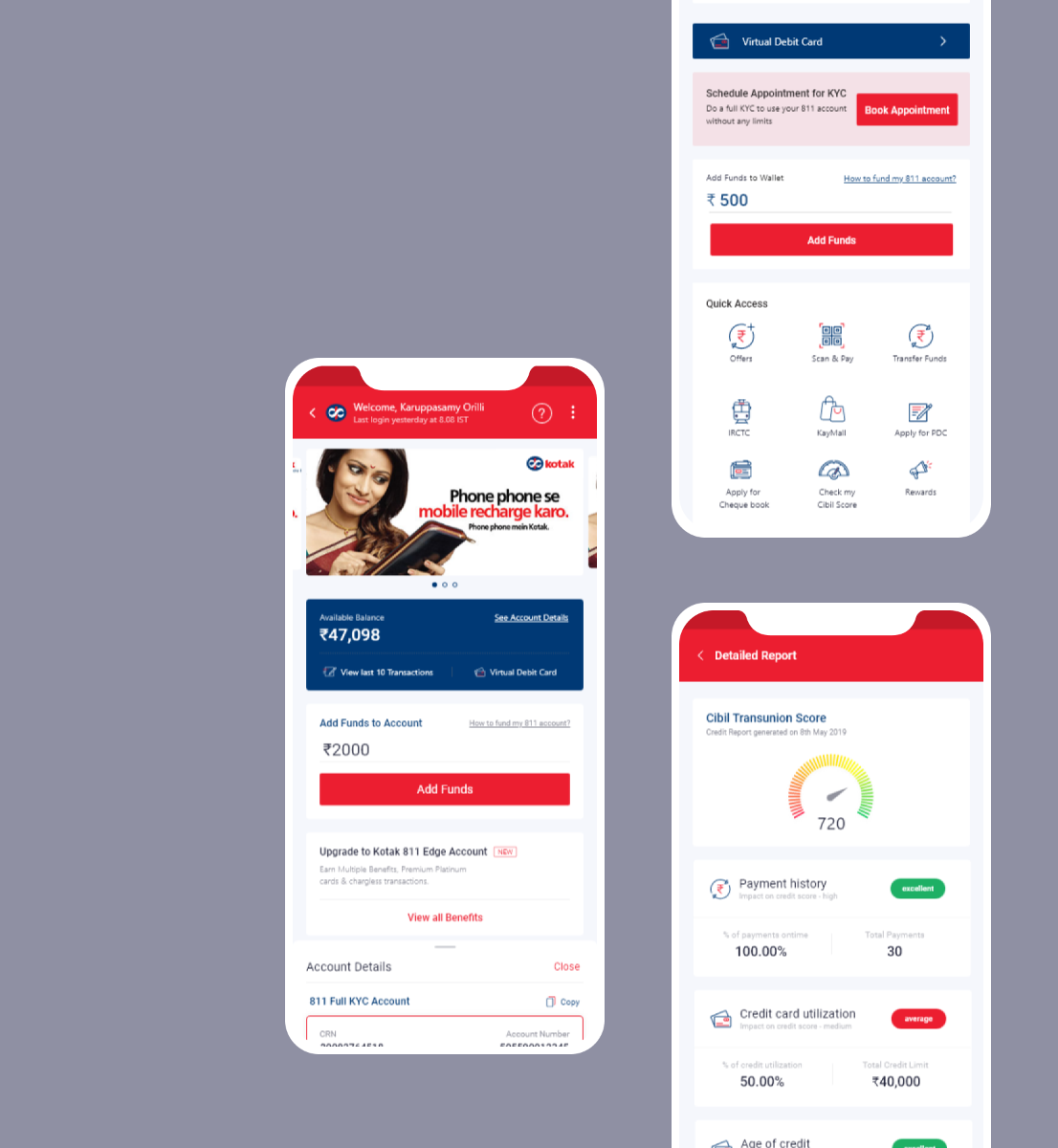
Banking and Fintech
Kotak Mahindra Bank
Designing a seamless user experience for Kotak 811 digital savings account
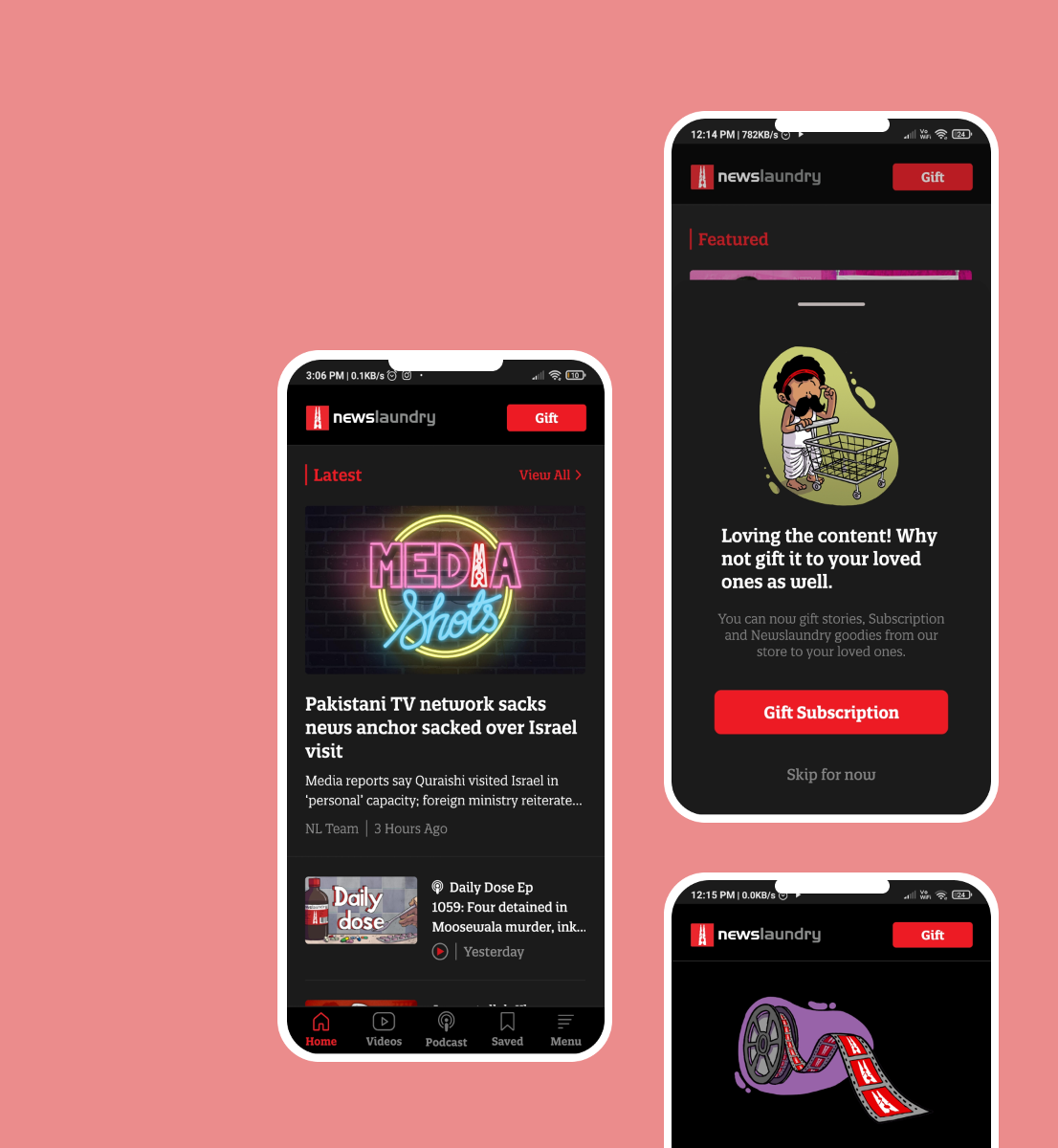
News and Media
News Laundry
Reader-Supported Independent News and Media Organisation


Written by the Cartoon Mango security engineering team, based in Bangalore and Coimbatore, India. We specialize in healthcare API security, HIPAA/ABDM compliance, and patient data protection for hospitals, health-tech startups, insurers, and pharmaceutical companies across India.


Design for Success
AI Automation
- AI Operations
- Manufacturing AI
- Logistics AI
- Retail AI
- Finance AI
- Healthcare AI
- HR AI
Engagement
- Gamification
- Interactive Marketing
Solutions
- Progressive Web Apps
- Legacy Modernization
- Marketplace Apps
- On-Demand Apps
- Maintenance & Support