




Node.js Framework Comparison
NestJS
Best for: Enterprise APIs, multi-developer teams, long-lived projects
Ecosystem: Growing fast, 60K+ GitHub stars
Strengths
- TypeScript-first with decorators and DI
- Modular architecture enforces clean code
- Built-in validation, guards, interceptors, pipes
- Excellent documentation and CLI scaffolding
- GraphQL, WebSocket, microservices support built-in
Weaknesses
- Steeper learning curve for Express developers
- Heavier bundle size than minimal frameworks
- Opinionated structure may feel rigid for small projects
6 Architecture Patterns for Node.js Backends
Monolith
NestJS or Express, PostgreSQL, Redis, PM2Single codebase, single deployment unit. All modules (auth, orders, payments, notifications) live in one application. Simplest to develop, test, and deploy. Best starting point for most projects.
Best for: MVPs, startups with fewer than 5 developers, projects under Rs 20 lakh budget
8 Core Technical Decisions
Framework
Options: NestJS, Express.js, Fastify, Hono
NestJS enforces clean architecture with TypeScript, dependency injection, and modular patterns that matter as teams grow beyond 3 developers. Express is faster to start but accumulates technical debt without discipline. For Indian outsourcing teams, NestJS structure reduces onboarding time for new developers from 2 weeks to 3 days.
ORM / Query Builder
Options: Prisma, TypeORM, Drizzle, Knex.js
Prisma provides type-safe database queries, auto-generated TypeScript types, intuitive schema definition, and excellent migration tooling. TypeORM is more mature but has inconsistent TypeScript support and complex relation loading. Drizzle is lightweight and SQL-close but newer. Prisma reduces database-related bugs by 40% in our projects due to compile-time type checking.
Database
Options: PostgreSQL, MongoDB, Both
PostgreSQL handles 90% of Indian business application needs: transactional data, relationships, JSON columns for flexible data, full-text search, and excellent performance. Use MongoDB only for specific use cases like activity logs, IoT event streams, or CMS content where schema flexibility genuinely matters. Hosting PostgreSQL on AWS RDS Mumbai costs Rs 3,000-8,000/month for most applications.
Caching Layer
Options: Redis, Memcached, Node.js in-memory
Redis offers caching plus pub/sub, sorted sets for leaderboards, streams for event processing, and BullMQ job queues -- all from one service. Memcached is simpler but limited to key-value caching only. In-memory caching (node-cache) works for single-instance apps but fails in clustered deployments. AWS ElastiCache Redis in Mumbai costs Rs 2,000-5,000/month.
Message Queue
Options: BullMQ (Redis), RabbitMQ, AWS SQS
BullMQ runs on Redis (which you already have for caching), supports delayed jobs, rate limiting, prioritization, and has an excellent dashboard (Bull Board). RabbitMQ adds complex routing patterns, dead letter exchanges, and multi-consumer groups needed for enterprise event-driven architectures. AWS SQS is simplest for serverless but lacks advanced features.
Authentication
Options: Passport.js + JWT, Auth0, Firebase Auth
Passport.js with JWT gives full control over auth flow, supports OTP login (critical for Indian users), Aadhaar verification, and custom session management. Auth0 offloads auth complexity and provides SSO, MFA, and social login out of the box -- ideal for multi-tenant SaaS. Firebase Auth works well for mobile-first apps already using Firebase. For Indian fintech, custom Passport.js is preferred for regulatory compliance control.
API Style
Options: REST, GraphQL, tRPC
REST is universally understood, well-tooled (Swagger/OpenAPI), and ideal for third-party integrations and public APIs. GraphQL reduces over-fetching for mobile clients with limited bandwidth (important for Indian Tier 2/3 users on 4G) but adds query complexity and caching challenges. tRPC provides end-to-end type safety between Next.js frontend and Node.js backend with zero API schema maintenance -- excellent for internal APIs in full-stack TypeScript projects.
Monitoring & Observability
Options: Prometheus + Grafana, Datadog, New Relic
Prometheus + Grafana is free and open-source, provides excellent metrics collection, alerting, and dashboarding. Combine with Loki for logs and Jaeger for distributed tracing. Datadog offers superior UX, APM, and log management but costs Rs 20,000-80,000/month for production workloads. For Indian startups, Prometheus + Grafana + Sentry (error tracking) covers 95% of observability needs at near-zero cost.
8 Scalability Patterns for Production
Connection Pooling
Use pg-pool to maintain a pool of reusable database connections instead of creating new connections per request. Set pool size to 2-3x CPU cores. Prevents connection exhaustion under high load and reduces query latency by 60-80%.
Redis Caching Strategies
Implement cache-aside (lazy loading) for read-heavy data: check Redis first, fetch from database on miss, store in Redis with TTL. Use write-through for data requiring strong consistency. Cache API responses, session data, user permissions, and frequently queried configuration.
Horizontal Scaling with Clustering
Use PM2 cluster mode to spawn one Node.js process per CPU core, or deploy multiple container replicas behind a load balancer. Ensures stateless services (store sessions in Redis, not in-memory) for seamless horizontal scaling.
Database Read Replicas
Route read queries (SELECT) to PostgreSQL read replicas while writes go to the primary. Use Prisma read replicas extension or custom connection routing. Distributes read load across multiple database instances.
Rate Limiting with Redis Sliding Window
Implement rate limiting using Redis sorted sets for sliding window counting. Apply per-IP, per-user, and per-API-key limits. Return 429 Too Many Requests with Retry-After header. Protects against abuse and ensures fair resource allocation.
Message Queues for Heavy Work
Offload CPU-intensive or time-consuming tasks (email sending, PDF generation, image processing, third-party API calls) to background job queues using BullMQ. API returns 202 Accepted immediately while the worker processes asynchronously.
CDN for Static Assets
Serve images, CSS, JavaScript bundles, and API documentation through CloudFront (AWS) or Cloud CDN (GCP) with edge locations across India. Mumbai, Chennai, Bangalore, Delhi, and Hyderabad edge nodes ensure sub-20ms asset delivery nationwide.
Database Indexing and Query Optimization
Create indexes on frequently queried columns (foreign keys, status fields, date ranges). Use EXPLAIN ANALYZE to identify slow queries. Implement pagination with cursor-based pagination instead of OFFSET for large datasets. Add composite indexes for multi-column WHERE clauses.
Before vs After: Node.js Migration Impact
| Metric | Before (Legacy) | After (Node.js) | Improvement |
|---|---|---|---|
| API Response Time | 350ms (PHP/Java legacy) | 45ms (Node.js + Redis) | -87% |
| Concurrent Connections | 500 (thread-per-request) | 10,000+ (event loop) | +1900% |
| Server Cost / Month | Rs 50K (PHP on 4 servers) | Rs 18K (Node.js on 2 servers) | -64% |
| Developer Productivity | 2 features/sprint | 5 features/sprint | +150% |
| Deployment Frequency | Monthly manual releases | Daily CI/CD deployments | +30x |
| Bug Detection | Found in production | Caught by automated tests | -80% prod bugs |
| Time to Hire Developers | 8 weeks (niche language) | 3 weeks (JavaScript pool) | -63% |
| API Uptime | 98.5% | 99.95% | +1.5pp |
Node.js Backend Development Cost Breakdown
| Tier | Scope | Cost | What is Included | Timeline |
|---|---|---|---|---|
| MVP API | 5-10 endpoints | Rs 8-18 Lakh | REST API with CRUD, JWT auth, PostgreSQL, basic validation, Swagger docs, deployment on single EC2/VPS | 4-6 weeks |
| Mid-Complexity Backend | 20-40 endpoints | Rs 18-45 Lakh | NestJS modular architecture, Redis caching, BullMQ job queues, third-party integrations (Razorpay, SMS, email), role-based access, automated testing, CI/CD | 8-10 weeks |
| Enterprise Microservices | 50+ endpoints | Rs 45L - 1 Crore+ | Microservices or modular monolith, event-driven architecture, Kubernetes deployment, multi-tenant support, GraphQL/REST, Prometheus monitoring, distributed tracing, load testing | 12-16 weeks |
| Monthly Maintenance | Any scale | Rs 12-50K/month | Server monitoring, security patches, Node.js LTS upgrades, dependency audits, performance optimization, bug fixes, on-call support SLA | Ongoing |
12-Week Implementation Roadmap
Architecture and Setup
- Define API endpoints, data models, and module boundaries
- Choose framework (NestJS/Express), ORM (Prisma), and database (PostgreSQL)
- Set up project scaffolding with TypeScript, ESLint, Prettier, and Husky pre-commit hooks
- Configure Docker Compose for local development (PostgreSQL, Redis, app)
- Set up CI pipeline (GitHub Actions) with linting, type checking, and initial test framework
Core API and Database
- Design and migrate database schema with Prisma migrations
- Build authentication module (JWT, refresh tokens, OTP login via MSG91)
- Implement core CRUD endpoints with validation (class-validator/Zod)
- Set up Redis caching layer for frequently accessed data
- Build role-based access control (RBAC) with guards and decorators
- Integrate Razorpay/UPI payment gateway for Indian transactions
Integration and Business Logic
- Implement BullMQ job queues for async processing (emails, PDFs, webhooks)
- Build third-party integrations (GST API, Aadhaar DigiLocker, SMS, email)
- Implement WebSocket support for real-time features (notifications, live updates)
- Build file upload service with S3 integration and image optimization
- Implement webhook handlers for Razorpay payment callbacks and UPI notifications
Security, Testing and Performance
- Write unit tests (Jest) for business logic with 80%+ coverage target
- Write integration tests for API endpoints and database operations
- Security audit: rate limiting, input sanitization, SQL injection prevention, CORS
- Load testing with Artillery or k6 simulating 1000+ concurrent users
- Performance optimization: query analysis, N+1 detection, response compression
Deployment and CI/CD
- Set up production infrastructure on AWS Mumbai (EC2, RDS, ElastiCache, S3)
- Configure PM2 cluster mode or Docker with ECS for container orchestration
- Set up Prometheus + Grafana monitoring dashboards and alerting rules
- Configure zero-downtime deployment pipeline with health checks
- DNS setup, SSL certificates (Let's Encrypt), and CloudFront CDN
Get Free Backend Architecture Assessment
We will analyze your current backend, identify performance bottlenecks, recommend the right Node.js architecture (monolith vs microservices), and provide a detailed implementation roadmap with cost estimates -- free of charge.
Book Free Architecture AssessmentRelated Services
Related Insights
Frequently Asked Questions
Common questions about AI automation for Node.js backend development
What is Node.js backend development and why is it popular in India?
Node.js is a JavaScript runtime built on Chrome's V8 engine that allows you to build fast, scalable server-side applications. It uses an event-driven, non-blocking I/O model -- ideal for real-time applications, APIs, and microservices handling thousands of concurrent connections. It is popular in India because JavaScript is the most widely known language among Indian developers, reducing hiring timelines from 8 weeks to 3 weeks. Companies like Flipkart, Razorpay, Swiggy, and Freshworks use Node.js for their backend services. The massive npm ecosystem (2M+ packages) accelerates development, and the single-language stack (JavaScript/TypeScript for frontend and backend) reduces team size and communication overhead.

How much does Node.js backend development cost in India?

Node.js vs Python vs Go -- which is better for backend development?
NestJS vs Express vs Fastify -- which Node.js framework should I choose?
Should I use microservices or monolith architecture for my Node.js backend?
Can I migrate my existing PHP or Java backend to Node.js?
How long does it take to build a production Node.js backend?
What does Node.js backend maintenance cost monthly?
PostgreSQL vs MongoDB -- which database should I use with Node.js?
What are the best practices for authentication in Node.js APIs?
AWS vs GCP -- which cloud should I deploy Node.js backends on in India?
When should I NOT use Node.js for my backend?
Want to See What We Build with Node.js Backend Development?
Get a free consultation and discover how we can turn your idea into a production-ready application. Our team will review your requirements and provide a detailed roadmap.
- Free project assessment
- Timeline & cost estimate
- Portfolio of similar projects
Your information is secure. We never share your data.
We Have Delivered 100+ Digital Products



Sports and Gaming
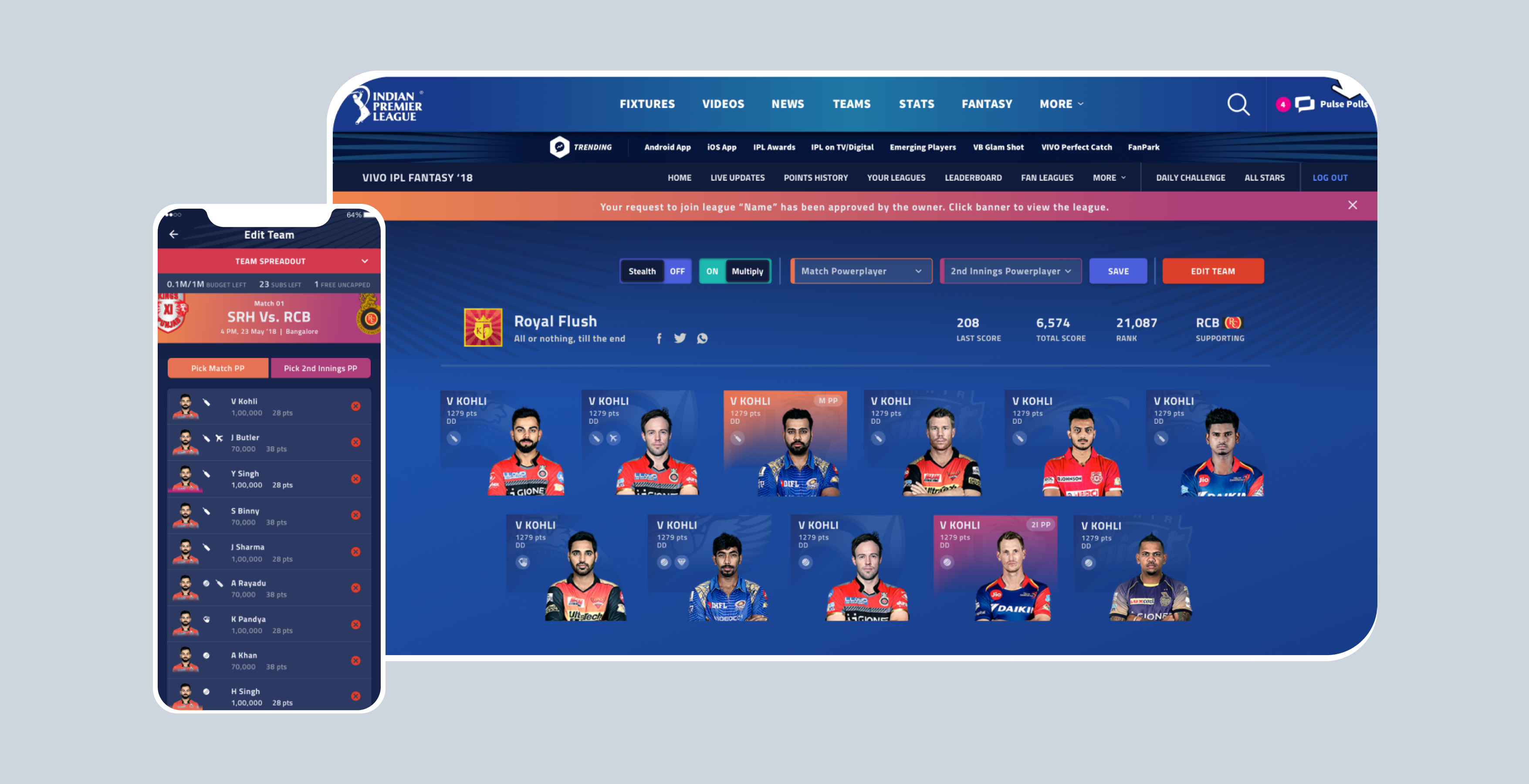
IPL Fantasy League
Innovation and Development Partners for BCCI's official Fantasy Gaming Platform
Banking and Fintech
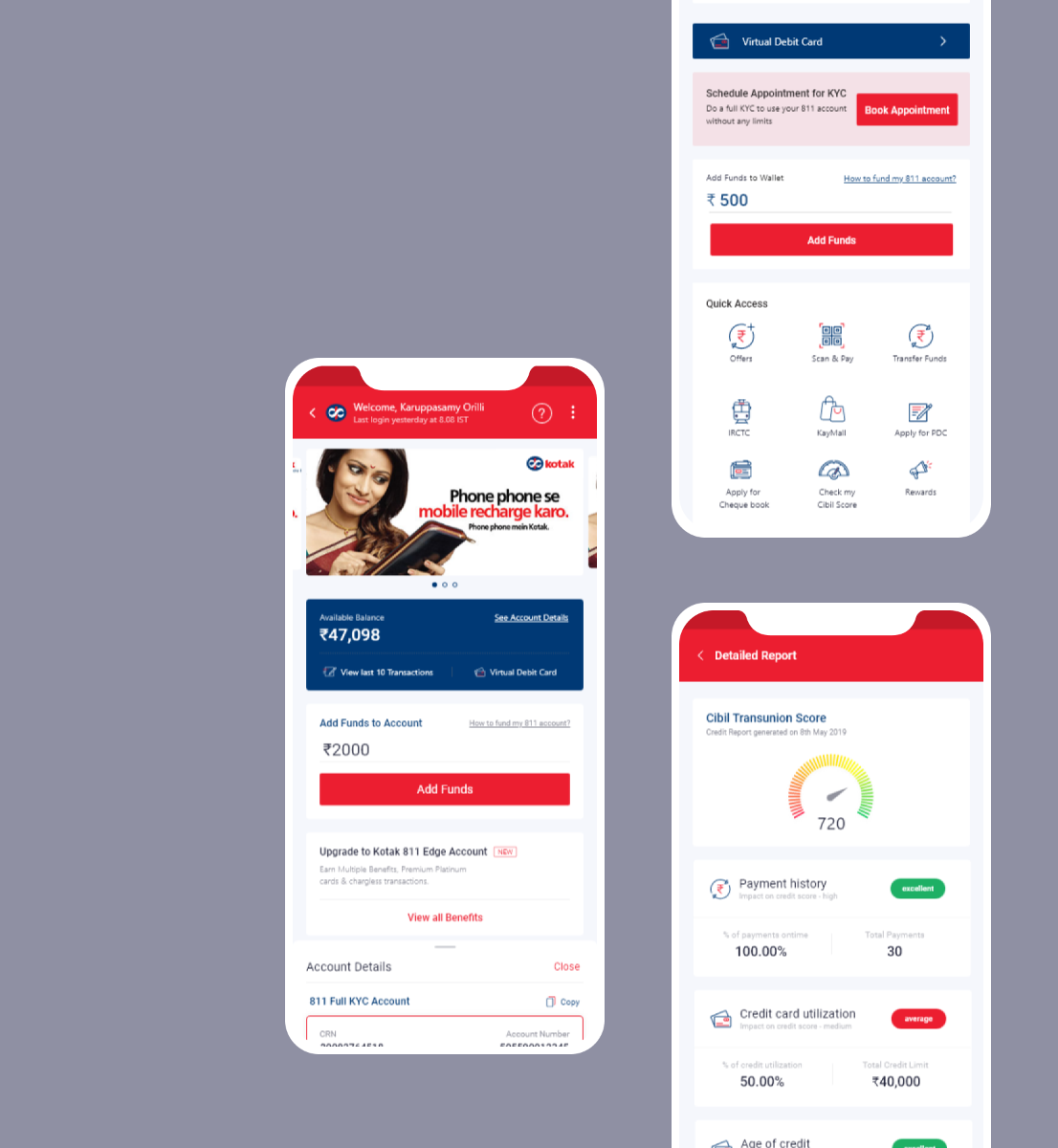
Kotak Mahindra Bank
Designing a seamless user experience for Kotak 811 digital savings account

News and Media
News Laundry
Reader-Supported Independent News and Media Organisation


Written by the Cartoon Mango engineering team, based in Bangalore and Coimbatore, India. We build scalable Node.js backends, API architectures, and microservices platforms for startups, SaaS companies, and enterprises across India.


Design for Success
AI Automation
- AI Operations
- Manufacturing AI
- Logistics AI
- Retail AI
- Finance AI
- Healthcare AI
- HR AI
Engagement
- Gamification
- Interactive Marketing
Solutions
- Progressive Web Apps
- Legacy Modernization
- Marketplace Apps
- On-Demand Apps
- Maintenance & Support