



6-Layer RAG Architecture
Document Ingestion
Apache Tika, Unstructured.io, Tesseract OCR, Python connectors6 Industry Applications of Enterprise RAG
BFSI
Compliance & Regulatory ChatbotLegal
Case Research & Contract AnalysisHealthcare
Clinical Guidelines & Drug Interaction SearchManufacturing
SOP & Technical Manual SearchIT / SaaS
Customer Support Knowledge BotEducation
Student Knowledge AssistantCompliance & Regulatory Chatbot
BFSIRAG system that indexes RBI circulars, SEBI guidelines, internal compliance policies, and audit reports. Compliance officers and branch staff query in natural language to get instant answers on regulatory requirements, KYC norms, and AML procedures — with exact circular citations.
5 LLMs for Enterprise RAG Compared
| Model | Provider | Strengths | Cost / 1M Tokens | Best For |
|---|---|---|---|---|
| GPT-4o | OpenAI | Best overall answer quality, excellent reasoning, strong Indian language support, 128K context window | $5 input / $15 output | Customer-facing RAG where answer quality is paramount, multilingual queries |
| Claude Sonnet 4.6 | Anthropic | Excellent at following instructions, strong citation ability, 1M context window, lower hallucination rate | $3 input / $15 output | Internal enterprise RAG requiring precise instruction-following and long documents |
| Llama 3.1 70B | Meta (self-hosted) | Fully self-hosted (complete data privacy), no per-token API costs, customizable, open weights | Rs 50K-2L/month (infra) | BFSI, legal, healthcare where data cannot leave company servers, high-volume internal queries |
| Gemini 1.5 Pro | 1M token context window (largest), strong multimodal support, good Indian language coverage, competitive pricing | $1.25 input / $5 output | Very large document RAG (entire manuals in context), multimodal queries (diagrams, charts) | |
| Mistral Large | Mistral | Fast inference speed, strong European data privacy compliance, self-hosted option available, good cost-to-quality ratio | $2 input / $6 output | Latency-sensitive applications, European compliance requirements, cost-optimized deployments |
Before vs After: Enterprise Knowledge Impact
| Metric | Before (Manual Search) | After (RAG System) | Improvement |
|---|---|---|---|
| Employee Search Time | 25 min/query | 6 min/query | -75% |
| Support Ticket Resolution | 4 hours | 1.5 hours | -63% |
| New Employee Onboarding | 3 weeks | 1 week | -67% |
| Knowledge Base Utilization | 12% | 78% | +550% |
| Repeat Queries to SMEs | 40/day | 8/day | -80% |
| Compliance Audit Prep | 2 weeks | 3 days | -79% |
| Customer Self-Service Rate | 22% | 65% | +195% |
| Documentation Accuracy | 82% (manual) | 96% (AI-verified) | +17% |
Cost Breakdown by Scale
| Tier | Scale | Cost | Includes | Timeline |
|---|---|---|---|---|
| POC / Pilot | 1 Department, 500-2000 Docs | Rs 10-20 Lakh | Single data source ingestion, basic RAG pipeline, chat UI, 1 LLM integration, accuracy benchmarking, pilot with 20-50 users | 4-5 weeks |
| Department-Level | 5000-20000 Docs, 3-5 Sources | Rs 20-50 Lakh | Multi-source ingestion, hybrid search with reranking, RBAC, Slack/Teams integration, analytics dashboard, Indian language support (2-3 languages) | 10-12 weeks |
| Enterprise-Wide | 50000+ Docs, Multi-Department | Rs 50L - 1.5 Crore | Full enterprise integration (SharePoint, SAP, Confluence), on-premise LLM option, 8+ Indian languages, advanced guardrails, audit logging, SSO, multi-tenant architecture | 14-18 weeks |
| Monthly Maintenance | Any Scale | Rs 20K-75K/month | Document reindexing, LLM API costs, vector DB hosting, retrieval tuning, security patches, model upgrades, performance monitoring | Ongoing |
Custom RAG vs ChatGPT Enterprise vs Microsoft Copilot
| Feature | Cartoon Mango (Custom RAG) | ChatGPT Enterprise | Microsoft Copilot | Open-Source DIY |
|---|---|---|---|---|
| Data Privacy & Sovereignty | On-premise or Indian cloud (Mumbai/Hyderabad), full data ownership | Data processed on OpenAI US servers, SOC 2 compliant | Azure cloud, data stays in tenant, Microsoft processes | Full control but requires DevOps expertise to maintain |
| Indian Language Support | Hindi, Tamil, Telugu, Kannada, Bengali, Marathi + Hinglish and code-mixed queries | Good Hindi/Tamil support via GPT-4o, limited regional languages | Moderate Indian language support, English-primary | Requires separate multilingual embedding and LLM setup |
| Custom Integrations | SharePoint, Confluence, Google Workspace, Slack, Teams, SAP, ERPNext, Tally, custom DBs | Limited to file upload and basic connectors | Excellent Microsoft ecosystem, limited non-Microsoft integrations | Unlimited but requires building every connector from scratch |
| Cost (200-500 Users) | Rs 20-50L one-time + Rs 20-75K/month maintenance | $60/user/month = Rs 50L-1Cr/year recurring | $30/user/month = Rs 25L-50L/year recurring (needs M365 E3/E5) | Rs 30-80L build + Rs 1-3L/month infra + internal team salary |
| Hallucination Control | Multi-layer guardrails, confidence scoring, source citations, human feedback loop | Basic grounding, limited citation, no custom guardrails | Grounded in Microsoft Graph data, moderate citation quality | Must build guardrails from scratch (significant effort) |
| On-Premise Option | Yes — fully on-premise with self-hosted LLM (Llama 3.1) | No — cloud only | No — Azure cloud only | Yes but requires GPU infrastructure management |
| Industry Customization | Custom RAG pipelines per industry (BFSI, legal, healthcare, manufacturing) | Generic — same system for all industries | Some industry templates, primarily general-purpose | Fully customizable but requires domain expertise |
| Ongoing Support | Dedicated team in Bangalore/Coimbatore, same-day response, AMC options | Standard OpenAI enterprise support (US-based) | Microsoft support tiers, partner ecosystem | Depends entirely on internal team capacity |
14-Week Implementation Roadmap
Data Audit & Strategy
- Audit existing knowledge sources (SharePoint, Confluence, file servers, databases)
- Identify high-value document collections for initial ingestion
- Define user personas and query patterns (what questions will users ask)
- Select LLM strategy (cloud API vs self-hosted based on data sensitivity)
- Design RBAC model mapping to existing Active Directory / SSO groups
Ingestion Pipeline & Vector DB
- Build document parsers for PDF, Word, PPT, Excel, HTML formats
- Implement OCR pipeline for scanned documents
- Set up chunking strategy (recursive splitting, 512-1024 tokens with overlap)
- Deploy vector database and configure embedding pipeline
- Build incremental indexing for document additions and updates
RAG Engine & LLM Integration
- Implement hybrid retrieval (semantic + keyword BM25 fusion)
- Integrate reranking model for retrieval precision
- Connect LLM with prompt engineering for grounded answers and citations
- Build guardrails for hallucination prevention and confidence scoring
- Implement Indian language support (multilingual embeddings, cross-lingual retrieval)
UI/UX & System Integration
- Build chat interface (web app, responsive for mobile)
- Integrate with Slack and Microsoft Teams as bot
- Build admin dashboard (document management, analytics, access control)
- Implement RBAC with Active Directory / Okta SSO integration
- Connect feedback system for answer rating and improvement
Testing, Security & Launch
- End-to-end testing with real user queries across departments
- Security audit (penetration testing, data leakage prevention)
- Performance optimization (sub-3-second response time target)
- User training sessions and documentation
- Phased rollout — pilot group first, then company-wide
Get a Free RAG Assessment
We will audit your knowledge sources, estimate search time reduction, recommend the right LLM and vector database strategy, and provide a custom RAG architecture roadmap — free of charge.
Book Free AssessmentRelated Services
Related Insights
Frequently Asked Questions
Common questions about AI automation for RAG-powered enterprise knowledge systems
What is Retrieval Augmented Generation (RAG) and how does it work?
RAG is an AI architecture that combines a retrieval system (searching your company's documents, databases, and knowledge bases) with a large language model (LLM) to generate accurate, context-grounded answers. When an employee or customer asks a question, the system: (1) converts the query into a vector embedding, (2) searches a vector database for the most relevant document chunks, (3) passes those chunks as context to the LLM, and (4) the LLM generates a natural-language answer citing the source documents. Unlike standalone ChatGPT which hallucinates or gives generic answers, RAG grounds every response in your actual enterprise data — SOPs, policies, product manuals, legal documents, compliance guidelines.

How much does it cost to build a RAG system for an Indian enterprise?

How long does it take to build and deploy a RAG system?
RAG vs fine-tuning an LLM — which approach is better?
Which vector databases do you recommend for Indian enterprises?
How do you select the right LLM for an enterprise RAG system?
How do you ensure data security and privacy in a RAG system?
Can the RAG system support Indian languages like Hindi, Tamil, and Telugu?
Can RAG integrate with our existing systems like SharePoint, Google Workspace, and Confluence?
How do you control hallucination in RAG systems?
What ongoing maintenance does a RAG system require?
What ROI can we expect from a RAG-powered enterprise knowledge system?
Want to See What We Build with RAG Enterprise Knowledge System?
Get a free consultation and discover how we can turn your idea into a production-ready application. Our team will review your requirements and provide a detailed roadmap.
- Free project assessment
- Timeline & cost estimate
- Portfolio of similar projects
Your information is secure. We never share your data.
We Have Delivered 100+ Digital Products


Sports and Gaming
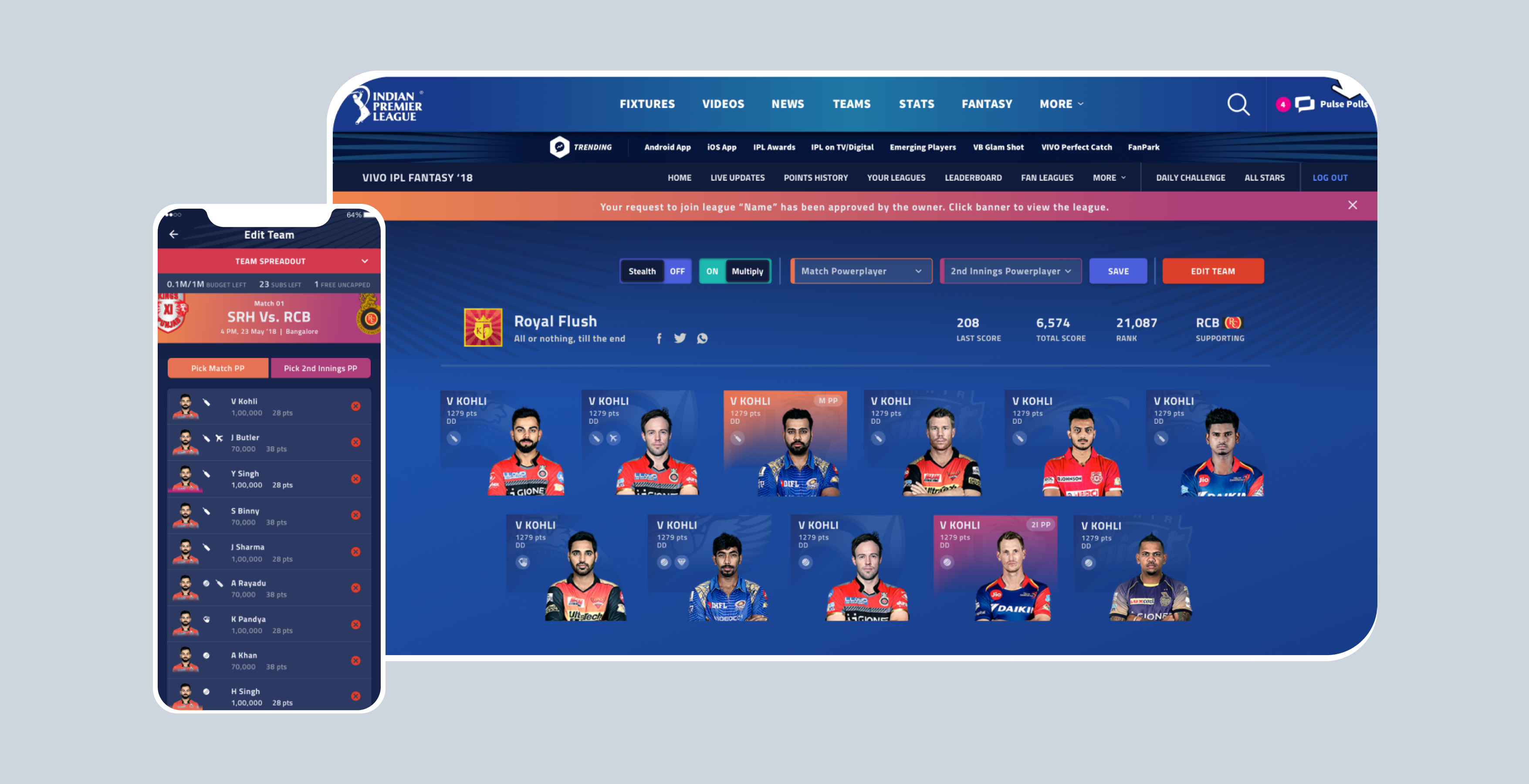
IPL Fantasy League
Innovation and Development Partners for BCCI's official Fantasy Gaming Platform
Banking and Fintech
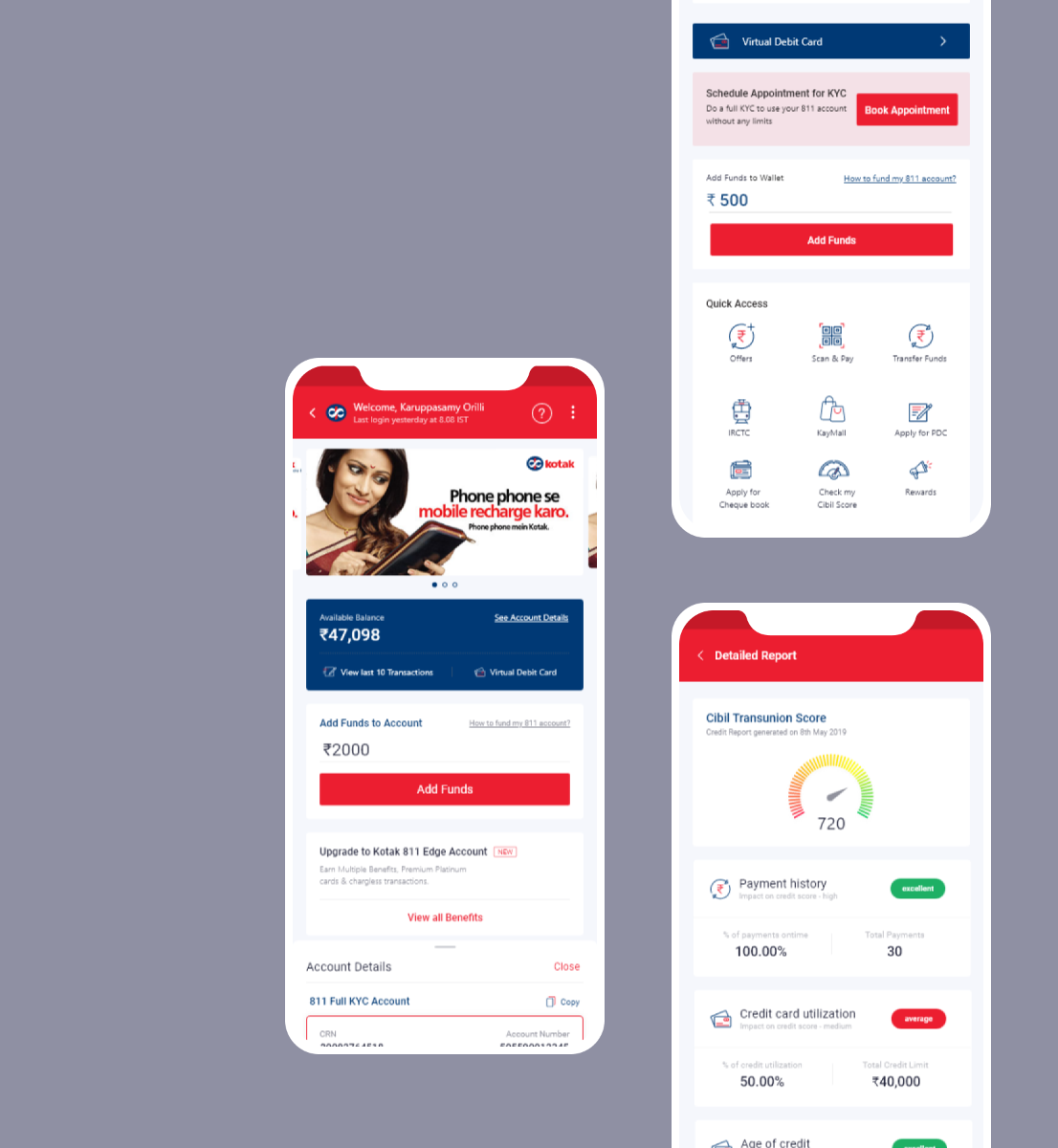
Kotak Mahindra Bank
Designing a seamless user experience for Kotak 811 digital savings account
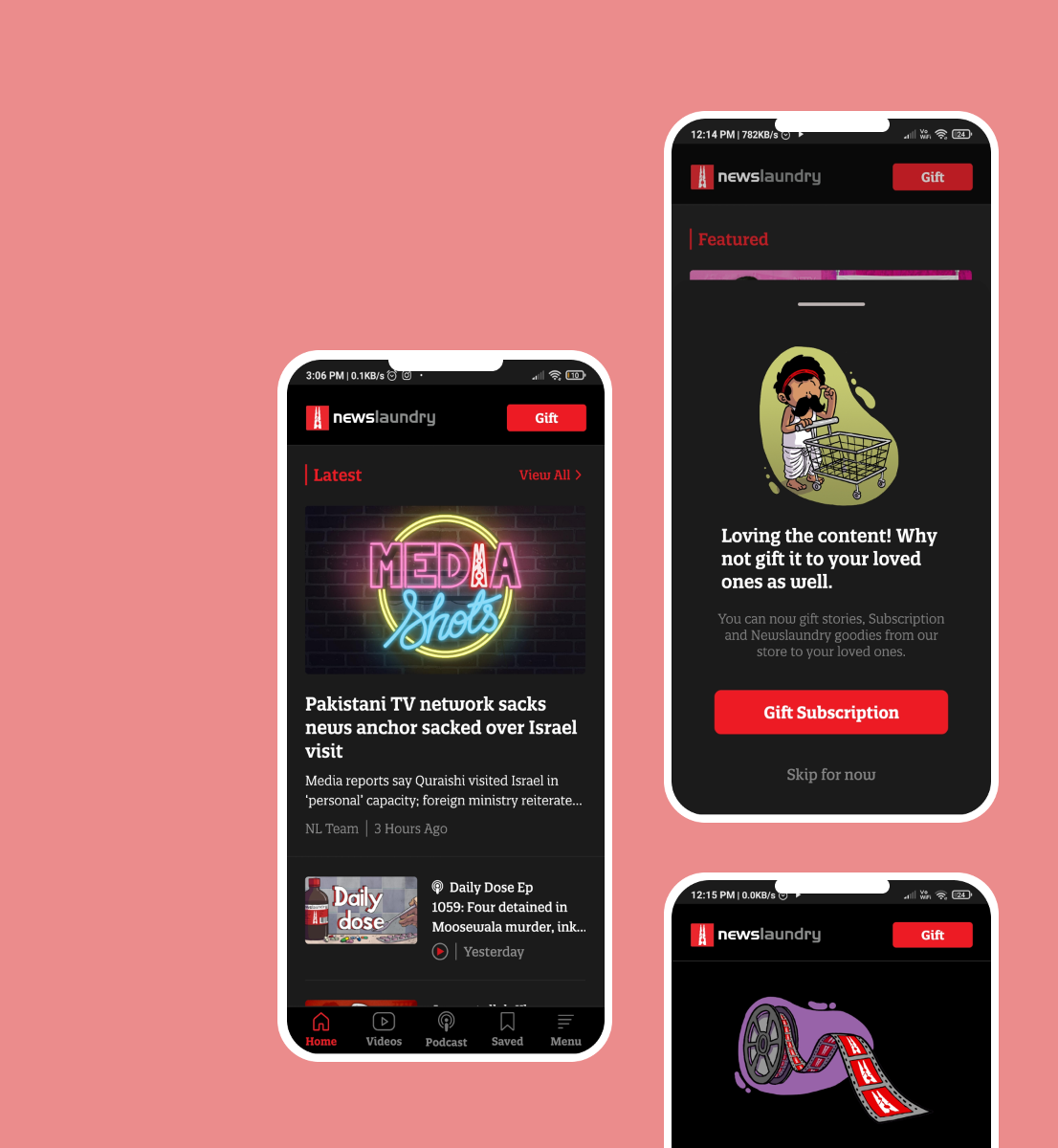
News and Media
News Laundry
Reader-Supported Independent News and Media Organisation


Written by the Cartoon Mango engineering team, based in Bangalore and Coimbatore, India. We build RAG-powered enterprise AI systems, knowledge management platforms, and intelligent search solutions for businesses across India.


Design for Success
AI Automation
- AI Operations
- Manufacturing AI
- Logistics AI
- Retail AI
- Finance AI
- Healthcare AI
- HR AI
Engagement
- Gamification
- Interactive Marketing
Solutions
- Progressive Web Apps
- Legacy Modernization
- Marketplace Apps
- On-Demand Apps
- Maintenance & Support