




Manufacturing AI
AI-Powered Smart Manufacturing for Industry 4.0
Manufacturing is undergoing a transformation. AI and machine learning are enabling predictive maintenance that prevents costly downtime, computer vision that catches defects humans miss, and optimization algorithms that maximize throughput and minimize waste.
We help manufacturers deploy AI solutions that deliver measurable results. From pilot projects to full-scale smart factory implementations, our team brings deep expertise in industrial AI, computer vision, and IoT analytics.

Why AI for Manufacturing
Transform operations with intelligent automation and predictive insights.
Predict Equipment Failures
AI analyzes sensor data to predict failures before they happen. Schedule maintenance during planned downtime, not emergency shutdowns. Reduce spare parts inventory with better demand prediction.
Automate Quality Inspection
Computer vision inspects every product at line speed. Catch defects invisible to human inspectors. Maintain consistent quality 24/7 without inspector fatigue or variability.
Optimize Production
ML algorithms find optimal settings for throughput, quality, and energy efficiency. Dynamic scheduling adapts to demand changes. Reduce waste and maximize OEE across operations.
MANUFACTURING AI SOLUTIONS
End-to-end AI for smart manufacturing
Predictive
Maintenance
ML models that predict equipment failures from sensor data. Vibration analysis, thermal monitoring, and anomaly detection to prevent unplanned downtime.
Quality
Inspection AI
Computer vision systems for automated defect detection. Surface inspection, dimensional measurement, assembly verification at production line speeds.
Production
Optimization
AI-driven scheduling and process optimization. Maximize throughput, minimize changeover time, optimize energy consumption across operations.
Demand
Forecasting
ML models for accurate demand prediction. Optimize inventory levels, production planning, and supply chain coordination with AI-powered forecasts.
Digital Twin
AI
Virtual replicas of physical systems for simulation and optimization. Test changes virtually before implementing, optimize processes without disrupting production.
Supply Chain
Intelligence
AI for supplier risk assessment, logistics optimization, and inventory management. End-to-end visibility and intelligent automation across the supply chain.
Manufacturing AI Technology Stack
Industrial-grade AI tools and frameworks
Computer Vision
OpenCV, YOLO, TensorFlow
Industrial vision systems for defect detection, object tracking, and quality inspection.
Time Series ML
Prophet, LSTM, XGBoost
Predictive maintenance and demand forecasting from sensor and historical data.
IoT Platforms
AWS IoT, Azure IoT, Edge AI
Real-time data ingestion, edge computing, and cloud analytics for industrial IoT.
Integration
OPC-UA, MQTT, REST APIs
Seamless integration with PLCs, SCADA, MES, and ERP systems.
Manufacturing AI Use Cases
Real applications driving factory performance
Automotive Quality Control
Vision AI inspecting welds, paint finish, and assembly accuracy at line speed with 99.5% accuracy.
CNC Machine Monitoring
Predictive maintenance using vibration and acoustic sensors to prevent tool breakage and machine failures.
Electronics Assembly
AOI systems with AI detecting solder defects, component placement errors, and PCB anomalies.
Food & Beverage QC
Vision systems for packaging inspection, fill level verification, and contamination detection.
Pharmaceutical Manufacturing
AI ensuring batch consistency, detecting tablet defects, and monitoring clean room conditions.
Energy Optimization
ML models optimizing energy consumption across HVAC, compressors, and production equipment.
Ready to Transform Your Factory with AI?
Let us discuss your manufacturing challenges and explore how AI can drive measurable improvements.
Get Manufacturing AI ConsultationFrequently Asked Questions
Common questions about AI automation for manufacturing AI
What is AI in manufacturing and how does it work?
AI in manufacturing uses machine learning algorithms to analyze data from sensors, cameras, and production systems. It identifies patterns, predicts outcomes, and automates decisions. Applications include quality inspection using computer vision, predictive maintenance using sensor data, and production optimization using historical patterns.

How can AI reduce manufacturing defects?

What ROI can we expect from manufacturing AI?
How long does it take to implement manufacturing AI?
What data do we need for manufacturing AI?
Can AI integrate with our existing manufacturing systems?
We Have Delivered 100+ Digital Products


Sports and Gaming
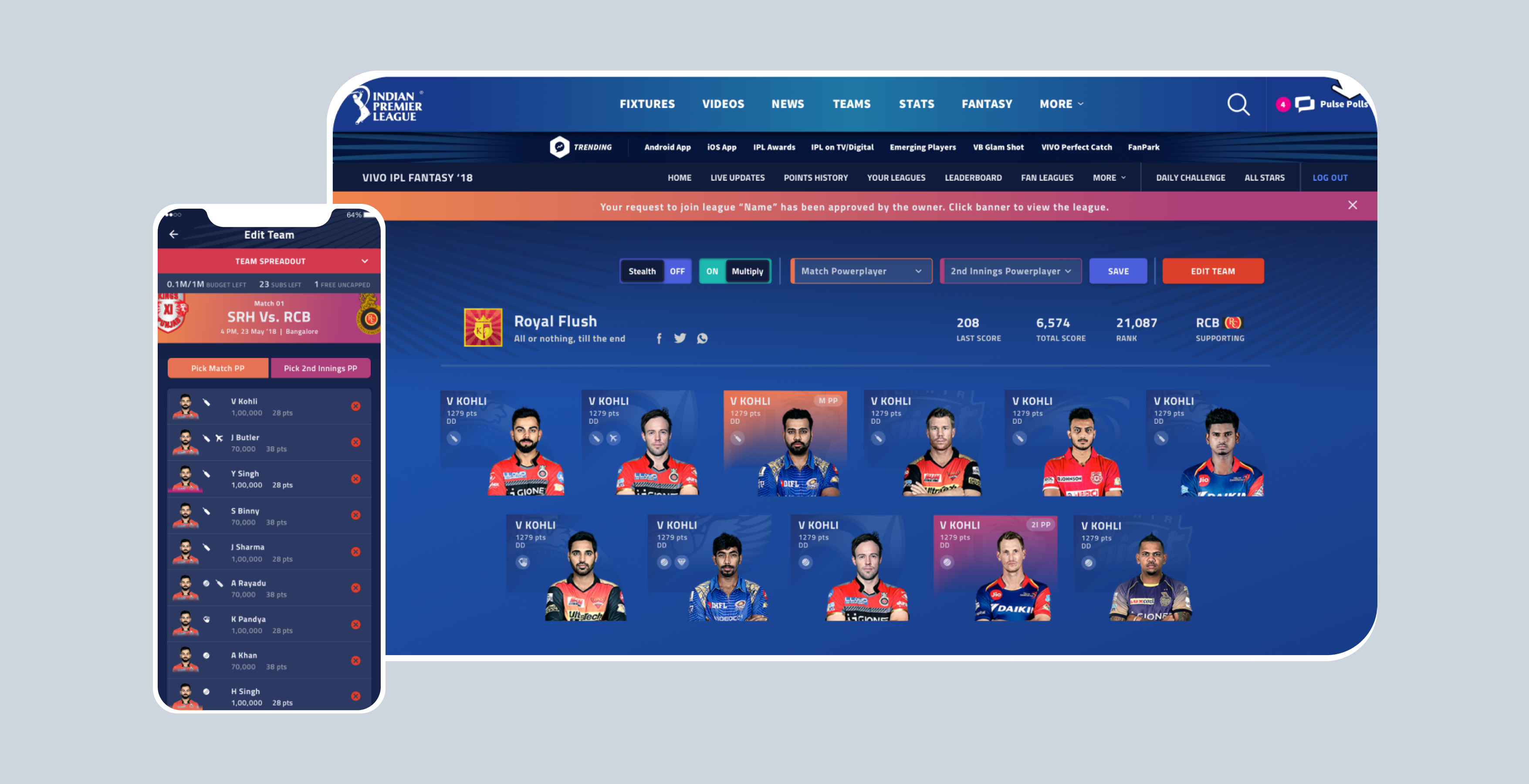
IPL Fantasy League
Innovation and Development Partners for BCCI's official Fantasy Gaming Platform
Banking and Fintech
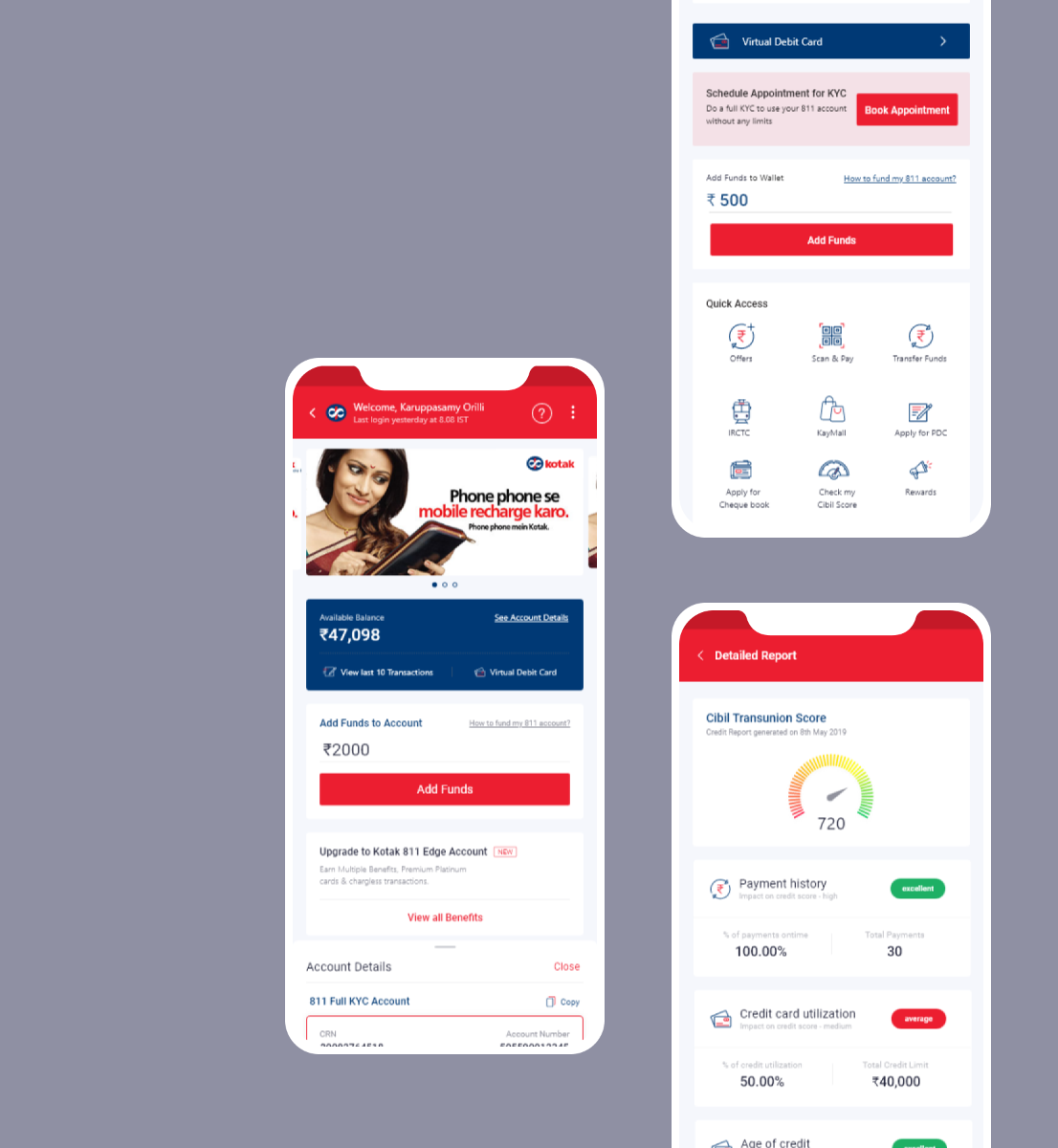
Kotak Mahindra Bank
Designing a seamless user experience for Kotak 811 digital savings account

News and Media
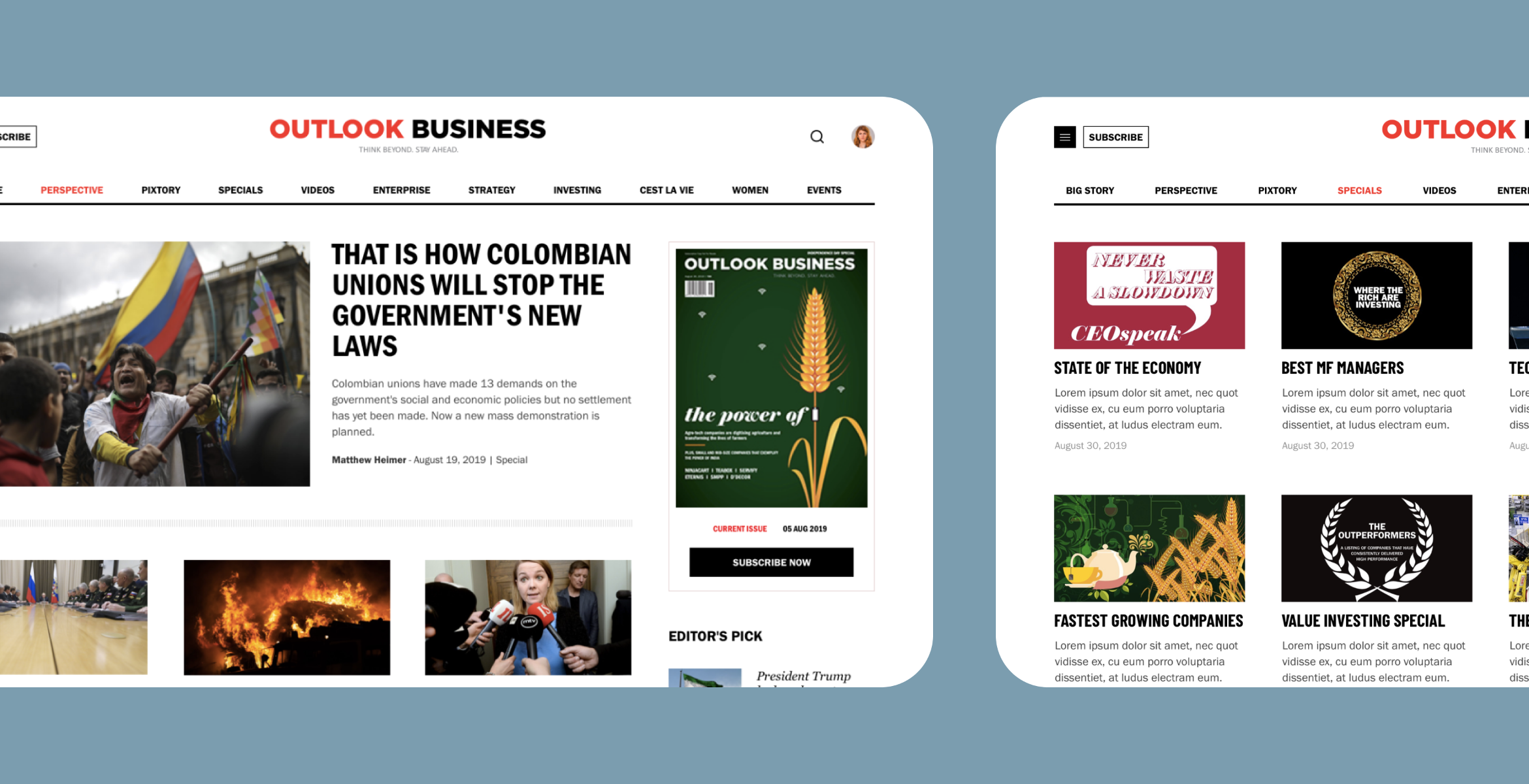
News Laundry
Reader-Supported Independent News and Media Organisation


Cartoon Mango was great to work with. They improvise and provide 24X7 support.
Gaurav Saxena
Media Manager - BCCI



Design for Success
AI Automation
- AI Operations
- Manufacturing AI
- Logistics AI
- Retail AI
- Finance AI
- Healthcare AI
- HR AI
Engagement
- Gamification
- Interactive Marketing
Solutions
- Progressive Web Apps
- Legacy Modernization
- Marketplace Apps
- On-Demand Apps
- Maintenance & Support