




Healthcare & Medical VR
Virtual Reality Solutions for Better Healthcare
Medical training has traditionally relied on cadavers, mannequins, and supervised practice on patients. VR changes this by providing unlimited practice opportunities with realistic anatomy, rare conditions, and controlled complication scenarios. Surgeons become proficient faster and with fewer errors.
Beyond training, VR is transforming patient care. From explaining procedures to anxious patients to providing therapeutic interventions for chronic pain and mental health, immersive technology is becoming an essential healthcare tool.
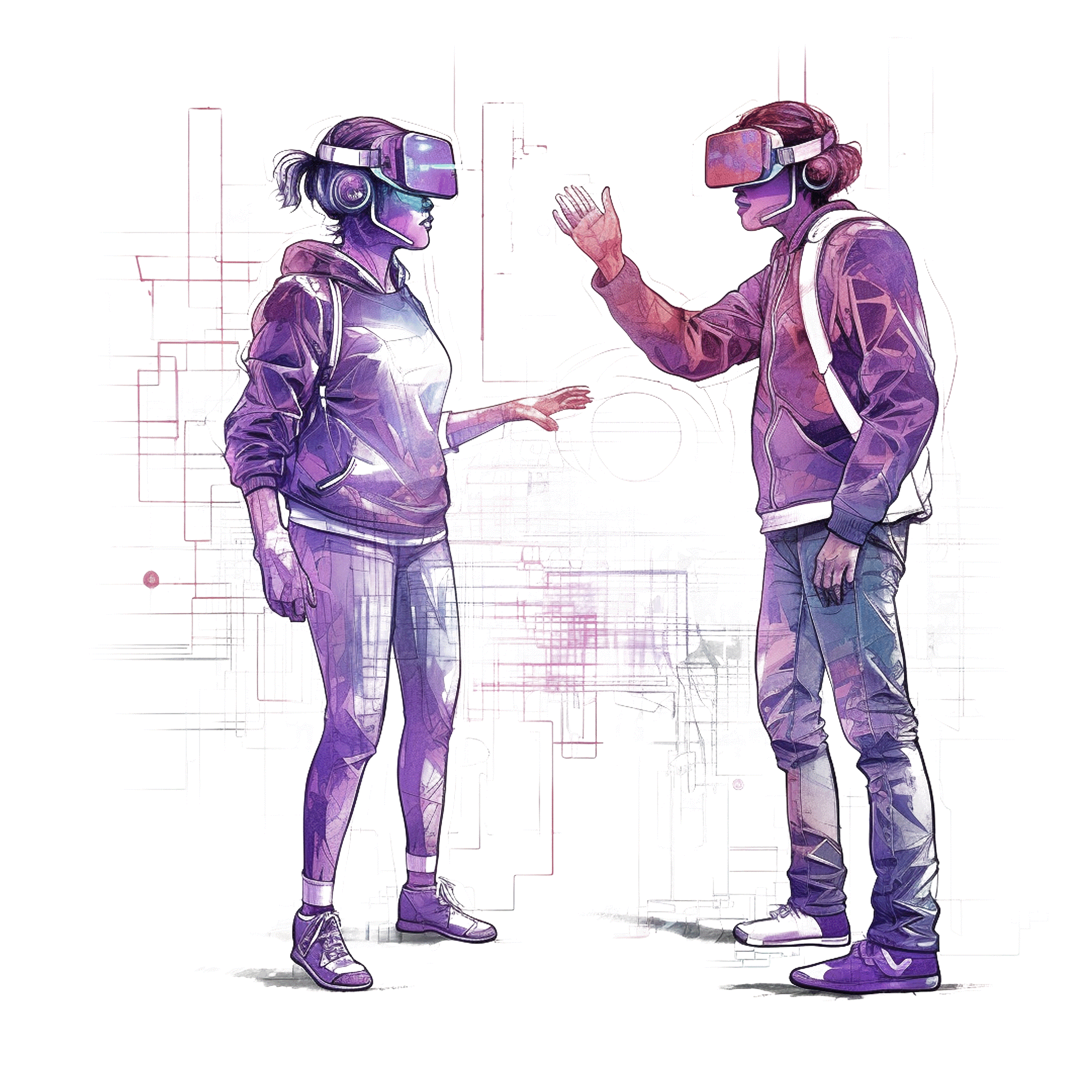
Why VR for Healthcare
Transform medical training and patient care with immersive technology.
Risk Free Practice
Medical professionals can practice procedures repeatedly without patient risk. Encounter rare complications, make mistakes, and build proficiency in a safe virtual environment before treating real patients.
Improved Patient Outcomes
VR trained surgeons perform 29% faster with fewer errors. Patient education through VR improves treatment compliance and reduces anxiety. VR therapy provides clinically proven benefits for pain and mental health.
Cost Effective Training
Reduce reliance on expensive cadaver labs, simulation centers, and scarce expert supervision. VR training scales efficiently while maintaining consistent quality across locations.
HEALTHCARE VR SOLUTIONS
Immersive applications for medical professionals and patients
Surgical
Simulation
Realistic procedure practice with haptic feedback. Train on complex surgeries, experience complications, and build skills before the operating room.
Anatomy
Education
Explore human anatomy in 3D with the ability to isolate systems, simulate conditions, and visualize relationships impossible to see in textbooks.
Patient
Education
Help patients understand diagnoses, visualize procedures, and learn post operative care. Informed patients have better outcomes and satisfaction.
VR
Therapy
Clinically validated applications for pain management, exposure therapy, rehabilitation, and mental health treatment. Immersive interventions that work.
Medical Device
Training
Train healthcare workers on equipment operation, maintenance, and troubleshooting. Ensure proficiency before using devices on patients.
Emergency
Response
Practice emergency protocols, triage decisions, and team coordination. Realistic scenarios build readiness for high stakes situations.
Technology Stack
Medical grade VR development technology
Medical Imaging Integration
DICOM data import, CT and MRI visualization, patient specific anatomy models from medical imaging for personalized surgical planning.
Haptic Feedback
Force feedback devices that simulate tissue resistance, instrument handling, and tactile sensations essential for surgical skill development.
Analytics & Assessment
Performance tracking, competency assessment, and progress analytics. Objective measurement of skills for training programs and credentialing.
Healthcare VR Impact
Evidence based outcomes from VR in healthcare
29%
Faster surgical performance from VR trained surgeons
230%
Improvement in surgical skills after VR training
52%
Reduction in pain perception with VR distraction therapy
80%
Patient satisfaction improvement with VR education
Frequently Asked Questions
Common questions about AI automation for healthcare VR
How is VR used for surgical training?
VR surgical simulators provide realistic haptic feedback and anatomical accuracy allowing surgeons to practice procedures repeatedly. Trainees can make mistakes safely, experience rare complications, and build muscle memory before operating on real patients. Studies show VR trained surgeons perform procedures 29% faster with fewer errors.

Can VR be used for patient education?

What therapeutic applications does VR have in healthcare?
How do you ensure medical accuracy in VR simulations?
Is VR medical training FDA approved?
What hardware is recommended for medical VR applications?
We Have Delivered 100+ Digital Products



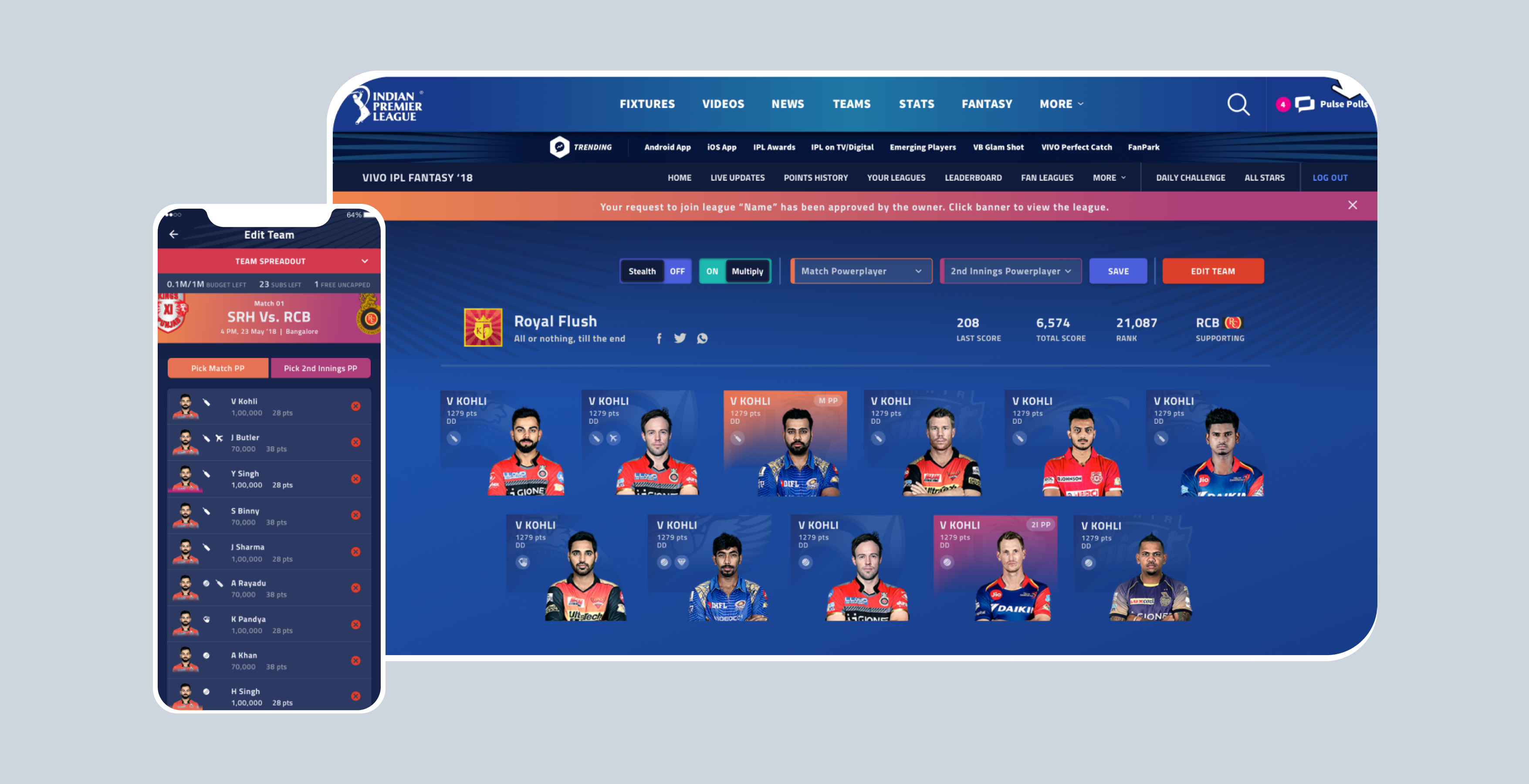
Sports and Gaming
IPL Fantasy League
Innovation and Development Partners for BCCI's official Fantasy Gaming Platform
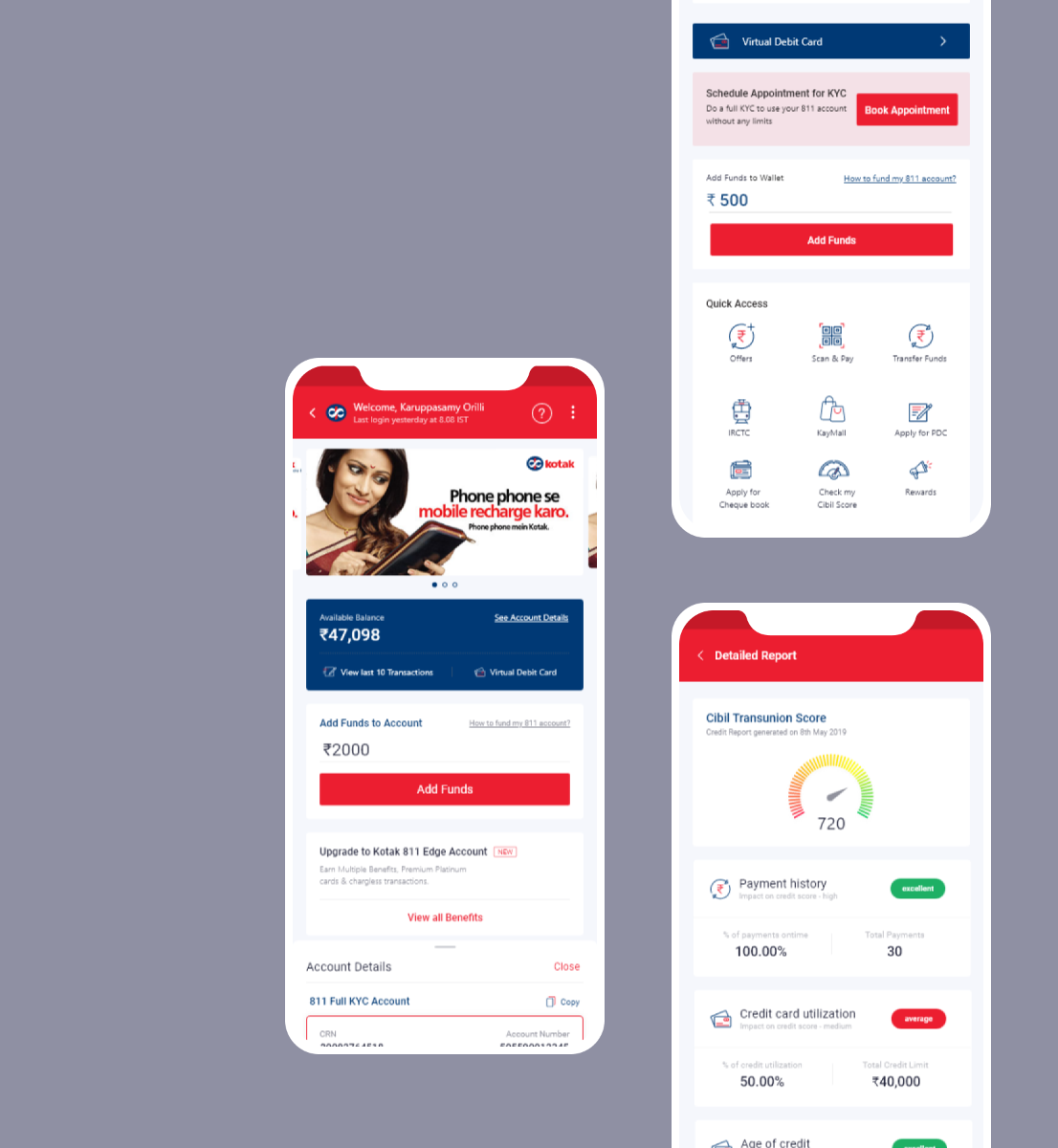
Banking and Fintech
Kotak Mahindra Bank
Designing a seamless user experience for Kotak 811 digital savings account
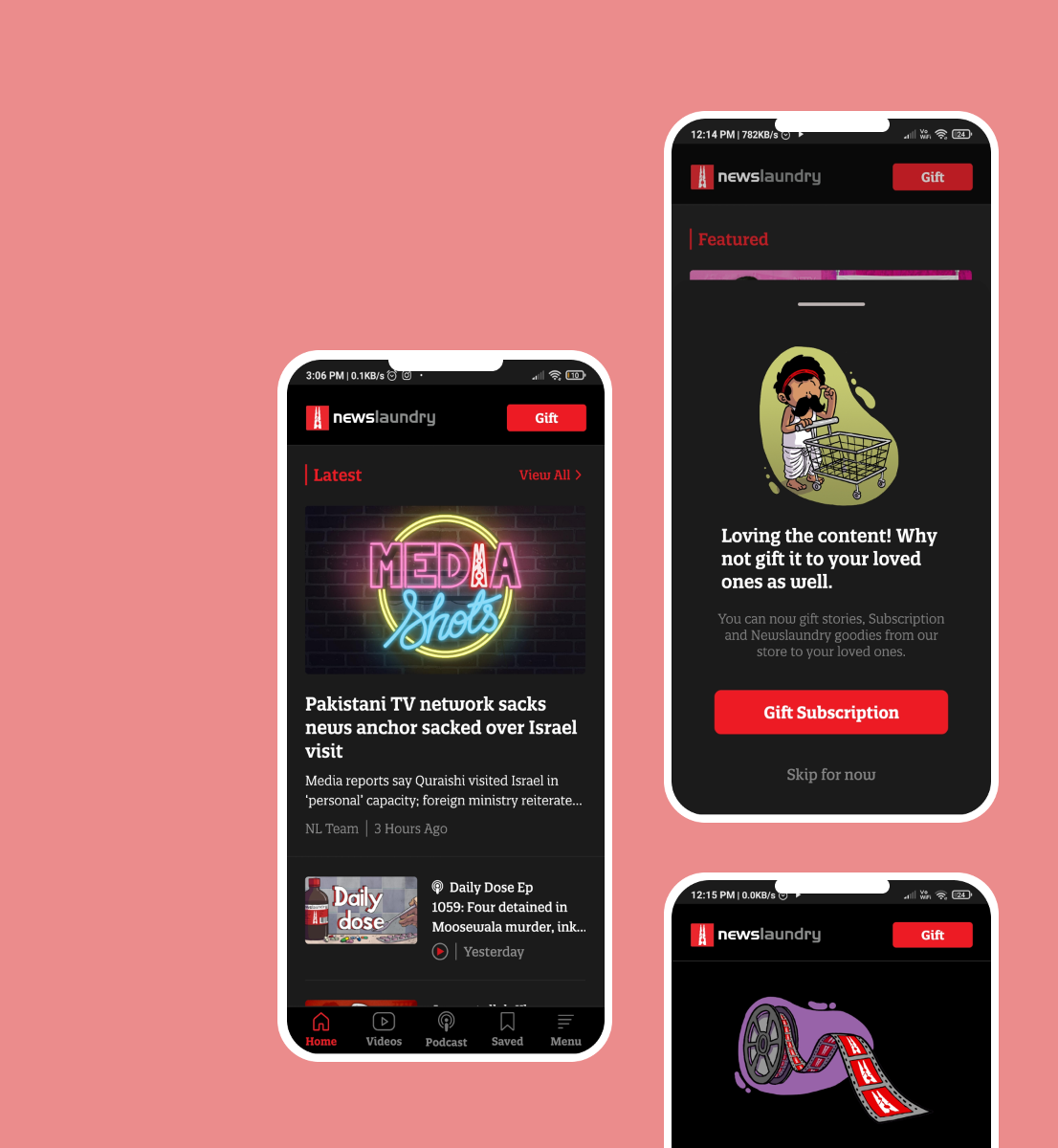
News and Media
News Laundry
Reader-Supported Independent News and Media Organisation


Cartoon Mango was great to work with. They improvise and provide 24X7 support.
Gaurav Saxena
Media Manager - BCCI



Design for Success
AI Automation
- AI Operations
- Manufacturing AI
- Logistics AI
- Retail AI
- Finance AI
- Healthcare AI
- HR AI
Engagement
- Gamification
- Interactive Marketing
Solutions
- Progressive Web Apps
- Legacy Modernization
- Marketplace Apps
- On-Demand Apps
- Maintenance & Support