




Why Traditional Training Fails in India
These problems exist in every Indian factory, refinery, and construction site.
Safety training is a checkbox, not a skill builder
India reports 48,000+ factory accidents annually — 38 deaths per day
New hires shadow for weeks before contributing
Average manufacturing onboarding: 4-6 weeks before productive work
Equipment downtime for training
15-20% of CNC and assembly line capacity lost to training rotations
One trainer, many workers, many shifts
Trainer-to-worker ratio in Indian factories is 1:200+ on average
Language barriers in multilingual workforce
60% of factory workers prefer training in regional languages, not English
No way to simulate emergencies safely
You cannot set a real factory on fire to test evacuation readiness
AR/VR Training Use Cases by Industry
5 Types of Immersive Industrial Training
Click each type to see how AR/VR transforms it.
How AR/VR Training Works: The 4-Layer Stack
From headset to HR system — every layer of an immersive training deployment:
Hardware + Software + Integration Stack
| Technology | Category | Purpose | Cost |
|---|---|---|---|
| Meta Quest 3 | VR Headset | Standalone VR for safety simulations, onboarding, and equipment training. No PC tethering needed. | Rs 30,000-50,000 |
| Microsoft HoloLens 2 | AR Headset | See-through AR for on-the-job guidance, maintenance overlays, and quality inspection checklists. | Rs 3,50,000 |
| RealWear Navigator 520 | Rugged AR | Intrinsically safe for oil & gas, voice-controlled, works with hard hats and safety glasses. | Rs 2,00,000 |
| Unity 3D | Development Engine | Cross-platform XR development — build once, deploy on Quest, HoloLens, and web. Largest XR ecosystem. | Free (Personal) / $2,040/yr (Pro) |
| Unreal Engine 5 | Development Engine | Photorealistic digital twins for high-fidelity environments. Ideal for aerospace and automotive. | Free until $1M revenue |
| SCORM / xAPI | LMS Standards | Training data interoperability — completion, scores, and time-spent flow to any compliant LMS. | Included in platform |
| SAP / Oracle Integration | ERP Connector | Sync training records with HR systems, maintenance schedules, and compliance databases. | Rs 5-15 lakh (custom) |
| Custom AI Layer | Intelligence | Adaptive difficulty, performance analytics, trainee attention tracking, and automated assessment scoring. | Rs 10-30 lakh (development) |
ROI: Traditional vs AR/VR Training
| Metric | Traditional | With AR/VR | Improvement |
|---|---|---|---|
| Knowledge Retention | 10% (lecture) | 75% (VR/AR) | 7.5x better |
| Training Speed | 4-6 weeks classroom | 1-2 weeks immersive | 4x faster |
| Workplace Accidents | Industry baseline | 45% reduction | Nearly half |
| Consumable Waste | Full material usage | 80% reduction | Rs 1,000 saved/trainee |
| Training Cost per Employee | Rs 8,000-15,000/yr | Rs 2,000-4,000/yr | 60-75% lower |
| Equipment Downtime | 15-20% for training | Near zero (VR sim) | Production uninterrupted |
| First-Time Fix Rate | 58-65% | 85-92% | 32% improvement |
| Employee Confidence | Baseline | 275% higher | 3.75x more prepared |
Serving India's Two Industrial Powerhouses
AR/VR training solutions tailored to each city's industrial ecosystem — from IT corridors to factory floors.
Bangalore
Coimbatore
Cost Breakdown by Company Size
| Company Tier | Hardware | Software Dev | Integration | Total | Per Employee |
|---|---|---|---|---|---|
| SME (50-200 employees) | Rs 2.5-5 lakh | Rs 5-10 lakh | Rs 1-2 lakh | Rs 8-15 lakh | Rs 4,000-7,500 |
| Mid-Market (200-1000) | Rs 5-15 lakh | Rs 10-25 lakh | Rs 3-8 lakh | Rs 15-40 lakh | Rs 1,500-4,000 |
| Enterprise (1000+) | Rs 15-50 lakh | Rs 25-80 lakh | Rs 10-25 lakh | Rs 40L-1.5 Cr | Rs 400-1,500 |
| Per-Module Add-On | Existing | Rs 3-8 lakh | Rs 50K-1 lakh | Rs 3.5-9 lakh | Varies |
India Pricing Advantage
Global AR/VR training vendors (Strivr, PTC Vuforia, Talespin) charge $50,000-$300,000 for similar deployments. India-based development with Cartoon Mango delivers the same quality at 40-60% lower cost — with same-timezone support, Indian language localisation, and understanding of local compliance requirements.
Cartoon Mango vs Indian & Global AR/VR Training Vendors
| Capability | Cartoon Mango | Fusion VR | Simulanis | Global (PTC/Strivr) |
|---|---|---|---|---|
| Tech Stack | Unity + Unreal + Custom AI | Unity-based | Proprietary engine | PTC Vuforia / Strivr |
| Industries Served | 8+ (all major Indian sectors) | Oil & Gas, Auto, Mfg | Pharma, FMCG, Auto | Global enterprise |
| India Presence | Bangalore + Coimbatore offices | Bangalore office | Delhi NCR office | Remote only (US/EU) |
| AI Integration | Adaptive AI + Analytics + NLP | Basic analytics | Gamification engine | Enterprise analytics |
| Hardware Support | Quest, HoloLens, RealWear, WebXR | Quest, HoloLens | Quest, Custom devices | Platform-specific |
| LMS Integration | SCORM, xAPI, SAP, Oracle, Moodle | SCORM | Custom LMS | SCORM, xAPI |
| Indian Language Support | Hindi, Tamil, Kannada, Telugu | English, Hindi | English, Hindi | English only |
| Pricing | Rs 8-40L (40-60% lower) | Rs 15-50L | Rs 20-60L | $50K-$300K (Rs 40L-2.5Cr) |
10-12 Week Implementation Timeline
Training Needs Assessment
- Audit existing training programmes and identify high-impact modules
- Survey workforce skill gaps and safety incident history
- Map regulatory compliance requirements (BIS, OISD, GMP)
- Define success metrics and KPIs for immersive training
Content Design & 3D Modelling
- Design instructional flow with learning objectives per module
- 3D scan or model factory equipment and environments
- Script interactive scenarios with branching decision trees
- Design assessment rubrics and scoring criteria
Development & Integration
- Build VR/AR training modules in Unity/Unreal Engine
- Integrate with LMS via SCORM/xAPI for progress tracking
- Connect to ERP for automated compliance record updates
- Implement AI-based performance analytics dashboard
Pilot Testing & Iteration
- Deploy to 20-30 pilot trainees across 2-3 departments
- Collect usability feedback and learning outcome data
- Measure training time, retention, and satisfaction vs traditional
- Iterate on difficulty, pacing, and interaction design
Full Rollout & Scaling
- Deploy headsets and training stations across all departments
- Train internal facilitators to manage VR/AR sessions
- Set up ongoing content update and maintenance workflow
- Establish quarterly review cycle for training effectiveness
Pump Manufacturing Plant, Coimbatore
The Challenge
8.2% defect rate in impeller assembly. 12 safety incidents per year in the casting foundry. 6-week onboarding for CNC operators. 15% production capacity lost to training rotations on live equipment.
What We Delivered
VR foundry safety simulation with PPE and emergency response. AR-guided impeller assembly with HoloLens torque verification. VR CNC lathe training with progressive difficulty. Integrated with Moodle LMS.
Ready to Transform Your Industrial Training?
Get a free training needs assessment from our AR/VR team in Bangalore. We'll audit your current training, identify high-ROI modules, and provide a detailed implementation plan with costs.
Get Free Training AssessmentRelated Resources
Related Services
Frequently Asked Questions
Common questions about AI automation for AR/VR industrial training
What is AR/VR industrial training and how does it work?
AR/VR industrial training uses immersive technology to simulate real-world industrial environments for employee training. VR (Virtual Reality) creates fully digital environments where trainees practice hazardous tasks like furnace operations or chemical handling without risk. AR (Augmented Reality) overlays digital instructions onto real equipment using headsets like HoloLens, guiding workers through assembly, maintenance, or inspection procedures step-by-step. Both integrate with LMS platforms for tracking, certification, and compliance.

What is the ROI of AR/VR training for manufacturing companies?

How much does AR/VR industrial training cost in India?
Which industries benefit most from AR/VR training in India?
Should I use HoloLens 2 or Meta Quest 3 for industrial training?
How effective is VR safety training compared to traditional methods?
Are there India-specific regulations for AR/VR in industrial training?
Can small and medium factories in India afford AR/VR training?
How does AR/VR training integrate with existing LMS and ERP systems?
Why choose a Bangalore-based AR/VR vendor over global companies?
How long does it take to deploy AR/VR training in a factory?
What is the future of AR/VR industrial training in India?
Want to See What We Build with AR/VR Industrial Training?
Get a free consultation and discover how we can turn your idea into a production-ready application. Our team will review your requirements and provide a detailed roadmap.
- Free project assessment
- Timeline & cost estimate
- Portfolio of similar projects
Your information is secure. We never share your data.
We Have Delivered 100+ Digital Products


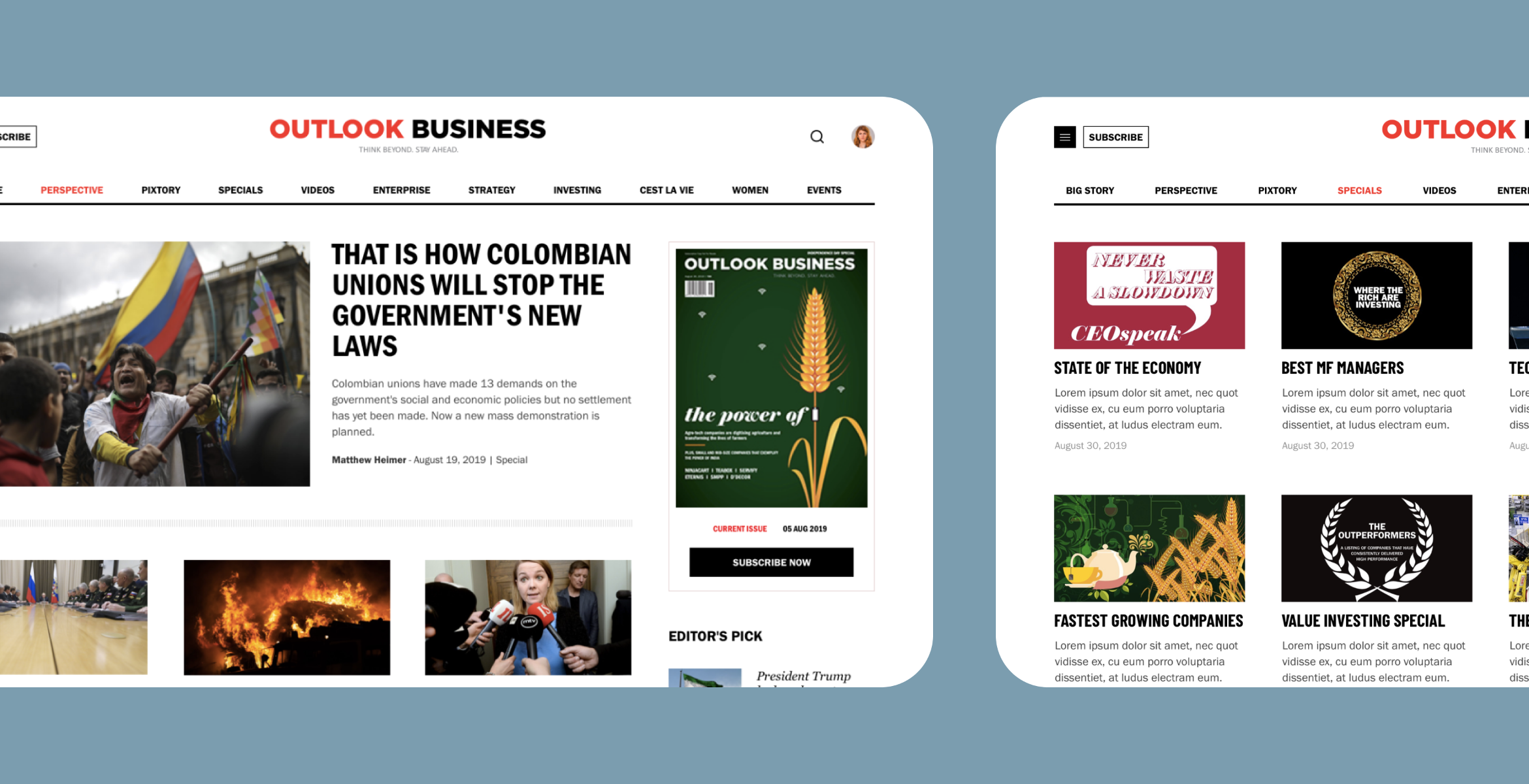
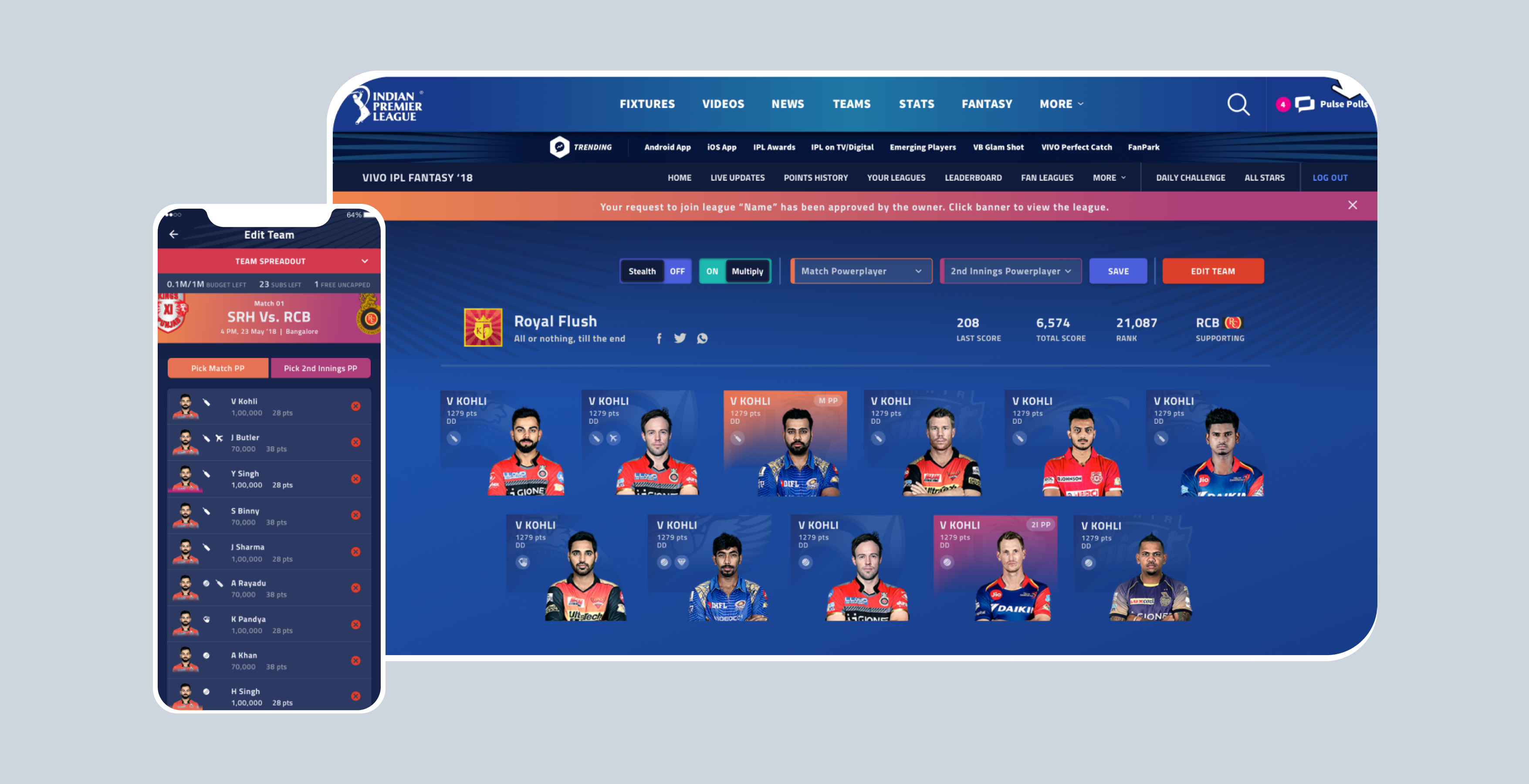
Sports and Gaming
IPL Fantasy League
Innovation and Development Partners for BCCI's official Fantasy Gaming Platform
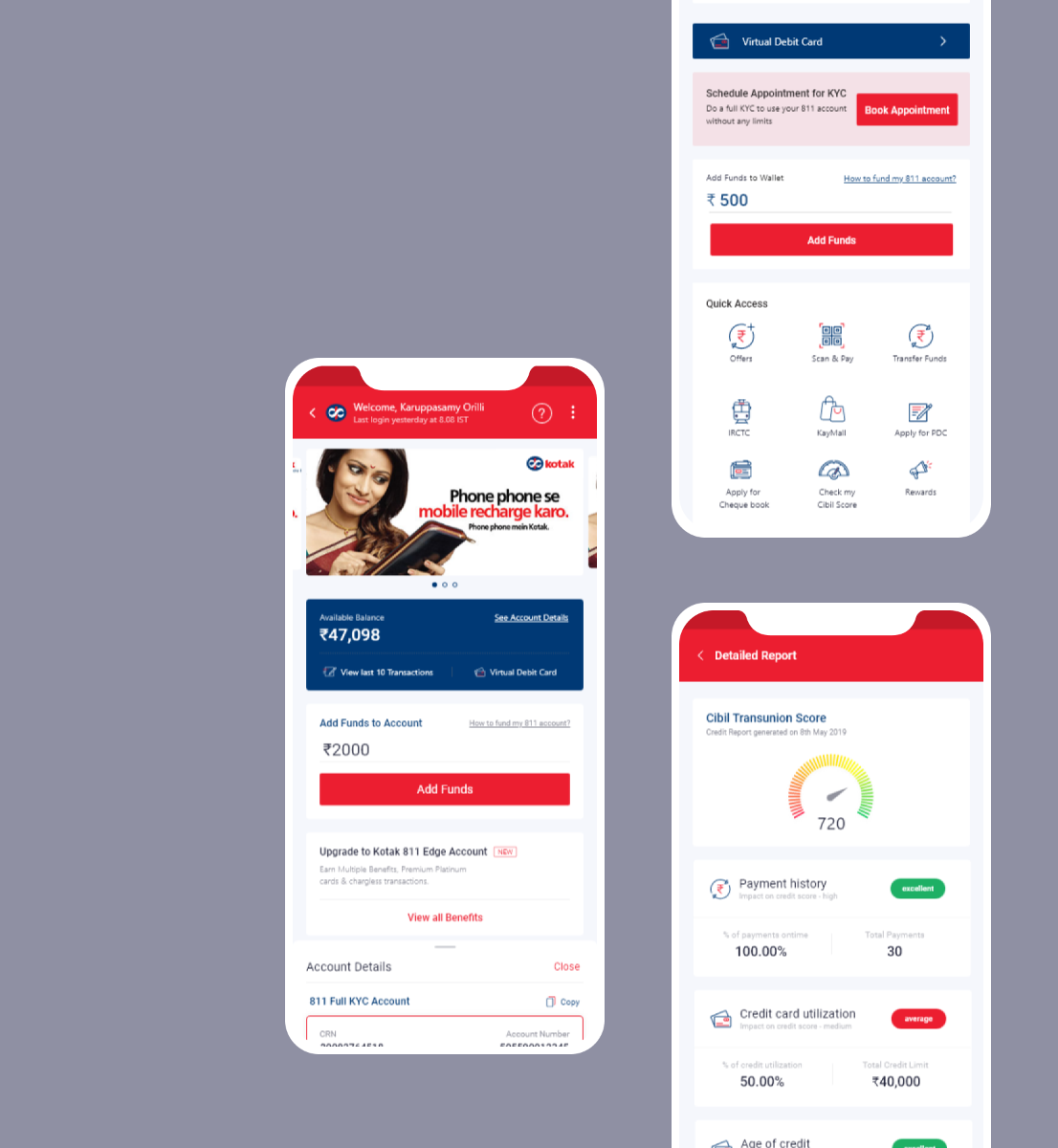
Banking and Fintech
Kotak Mahindra Bank
Designing a seamless user experience for Kotak 811 digital savings account
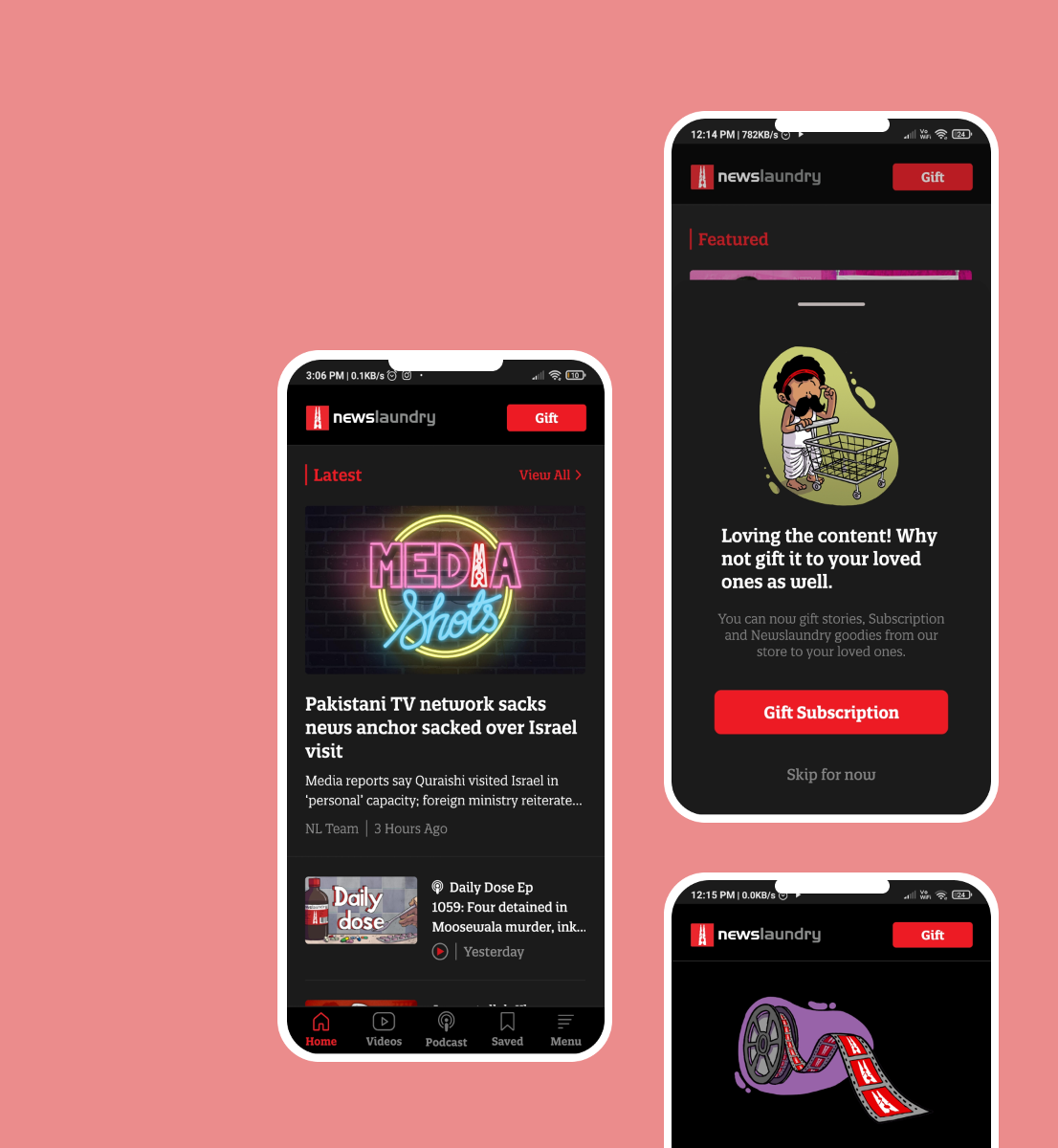
News and Media
News Laundry
Reader-Supported Independent News and Media Organisation


Written by the Cartoon Mango AR/VR engineering team, based in Bangalore and Coimbatore, India. We build immersive training solutions for manufacturing, oil & gas, automotive, pharma, and defence clients across India and the Middle East.


Design for Success
AI Automation
- AI Operations
- Manufacturing AI
- Logistics AI
- Retail AI
- Finance AI
- Healthcare AI
- HR AI
Engagement
- Gamification
- Interactive Marketing
Solutions
- Progressive Web Apps
- Legacy Modernization
- Marketplace Apps
- On-Demand Apps
- Maintenance & Support