


Computer Vision for Travel
See Travel Through AI Eyes
Travel is a visual experience. Travelers choose destinations based on photos, discover accommodations through images, and share their journeys visually. Computer vision enables AI to understand this visual content and transform how travel businesses operate.
We build computer vision solutions that power visual search, automate document processing, enhance content discovery, and unlock new ways for travelers to explore. From passport scanning to destination matching, AI vision creates seamless experiences.

Why Computer Vision for Travel
Visual content is central to travel decisions. AI unlocks its potential.
Visual Discovery
Travelers often know what they want to see but not where to find it. Visual search lets users discover destinations by uploading inspiration images, making discovery intuitive and engaging.
Operational Efficiency
Document processing, identity verification, and check in procedures consume significant manual effort. Computer vision automates these tasks, reducing costs and improving speed.
Content Intelligence
Millions of property photos, destination images, and user content need organization. AI automatically tags, categorizes, and quality scores visual content at scale.
IMPLEMENTATION PROCESS
How we build computer vision capabilities
Use Case
Definition
We identify specific vision applications with clear business value. Whether visual search, document automation, or content moderation, we define success metrics and technical requirements.
Data
Preparation
We gather and annotate training images for custom model development. For document processing, we collect sample documents covering variations in format and quality.
Model
Development
We train or fine tune computer vision models for your specific use case. Transfer learning from pretrained models accelerates development while custom training ensures accuracy for your domain.
Pipeline
Architecture
We build image processing pipelines that handle upload, preprocessing, inference, and result storage. Pipelines scale automatically to handle variable image volumes efficiently.
API &
Integration
We expose vision capabilities through APIs that integrate with your applications. Real time inference for interactive features and batch processing for content pipelines.
Monitoring &
Improvement
We track model accuracy on production data, identify edge cases, and continuously improve performance. Regular retraining on new examples keeps models current.
Technology Stack
State of the art vision technologies powering our solutions
Vision Models
Convolutional neural networks, vision transformers, and foundation models like CLIP for image understanding. Custom trained models for travel specific recognition tasks.
Document Intelligence
OCR engines, layout analysis, and document understanding models for extracting structured data from passports, IDs, and travel documents accurately.
Processing Infrastructure
GPU instances for model inference, image processing libraries, and cloud storage for handling large image volumes. Auto scaling ensures cost efficiency.
Vision Applications
Computer vision use cases for travel businesses
Visual Search
Find destinations and properties using inspiration images
Document Scanning
Extract data from passports, visas, and travel documents
Image Tagging
Automatically categorize and tag property photos
Quality Assessment
Score image quality and identify issues automatically
Content Moderation
Filter inappropriate or policy violating images
Landmark Recognition
Identify locations and points of interest in photos
Frequently Asked Questions
Common questions about AI automation for computer vision
What is visual search for travel and how does it work?
Visual search lets travelers find destinations or accommodations by uploading images. AI analyzes the image to identify location features, architectural styles, landscape types, and visual characteristics, then matches against your inventory. Users can find places that look like their dream destination without knowing its name.

How does AI automate document processing for travel?

Can computer vision improve property listings?
What are the infrastructure requirements for computer vision?
How do you handle privacy concerns with image processing?
Can computer vision work with user generated content?
We Have Delivered 100+ Digital Products


Sports and Gaming
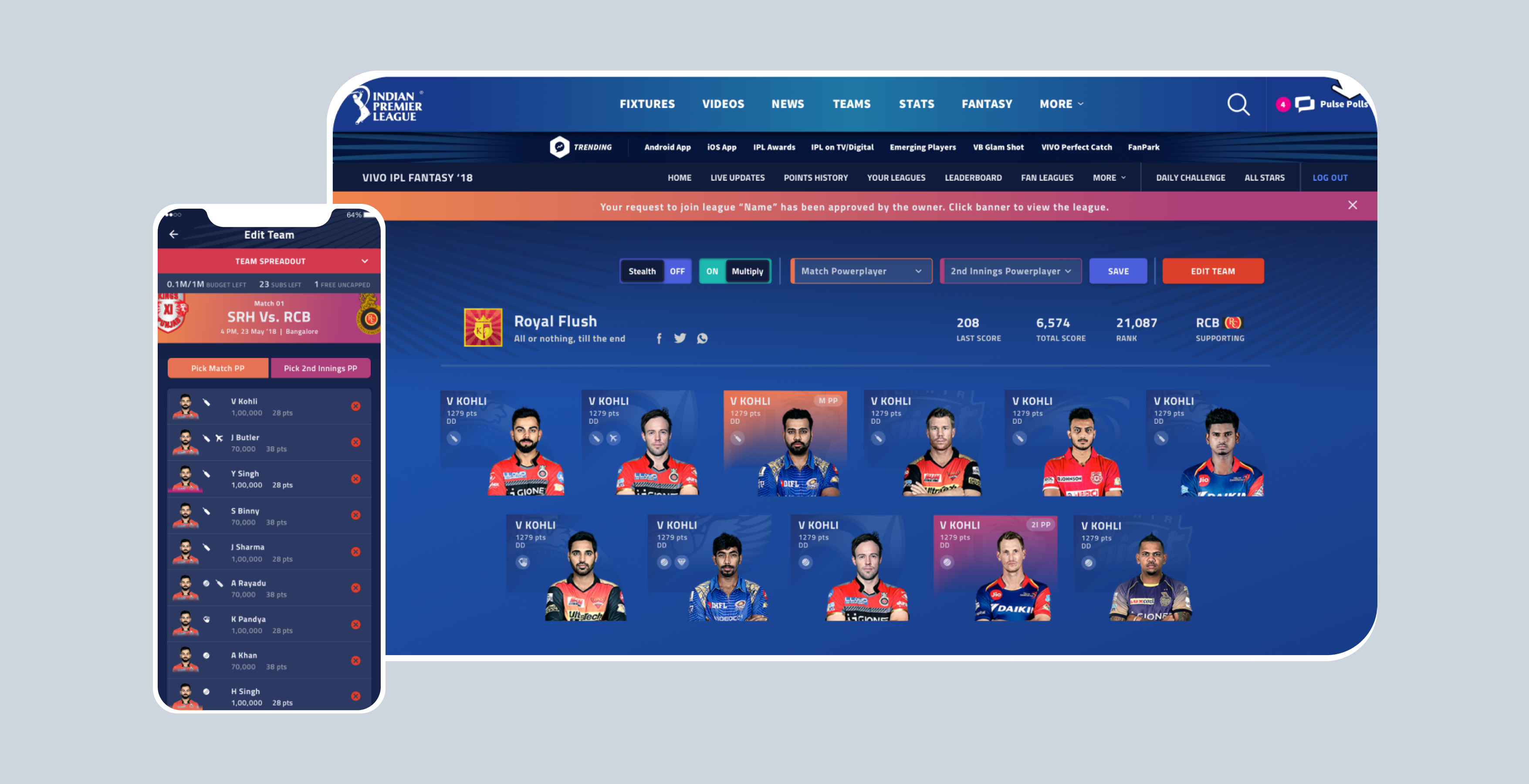
IPL Fantasy League
Innovation and Development Partners for BCCI's official Fantasy Gaming Platform
Banking and Fintech
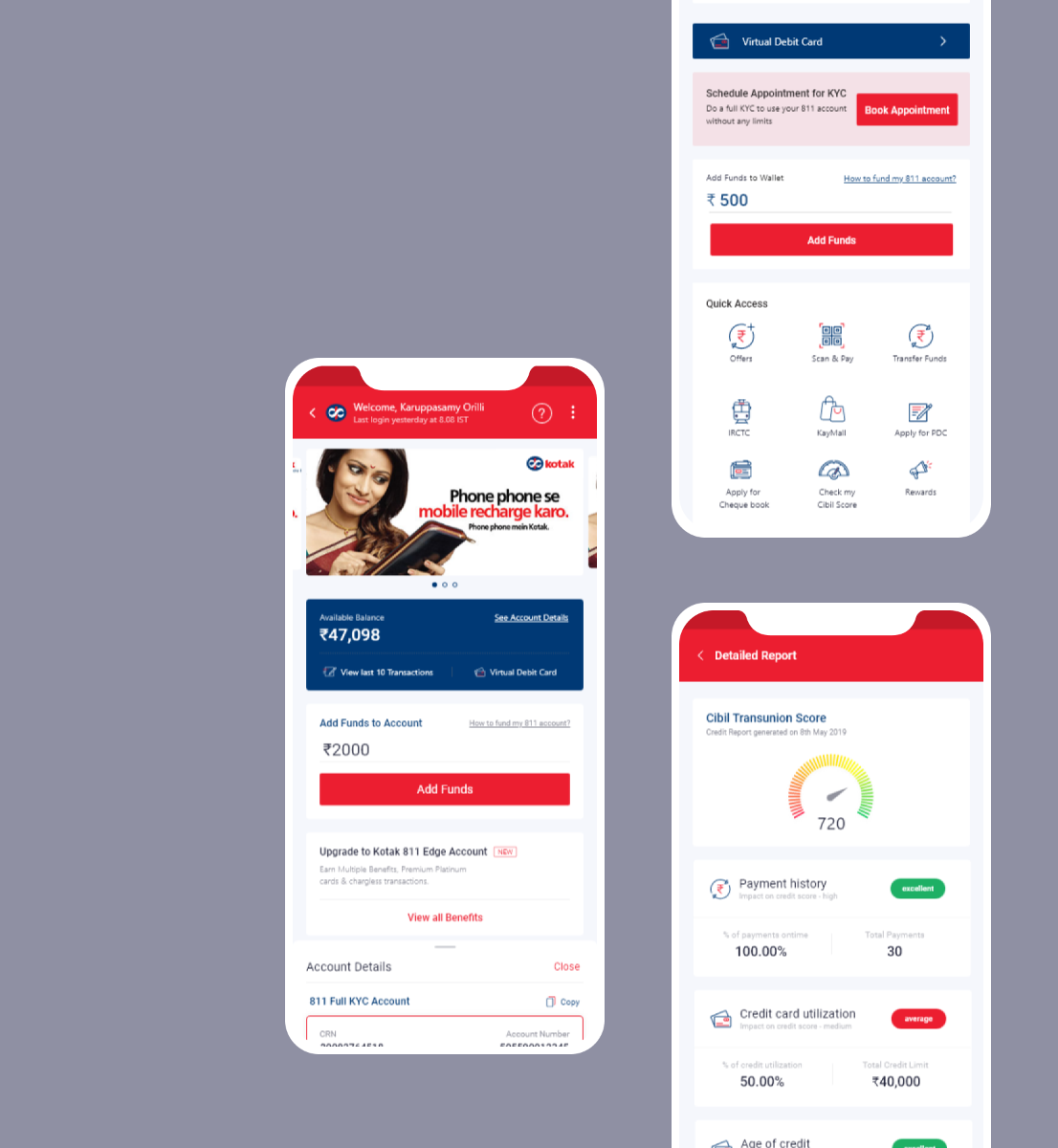
Kotak Mahindra Bank
Designing a seamless user experience for Kotak 811 digital savings account

News and Media
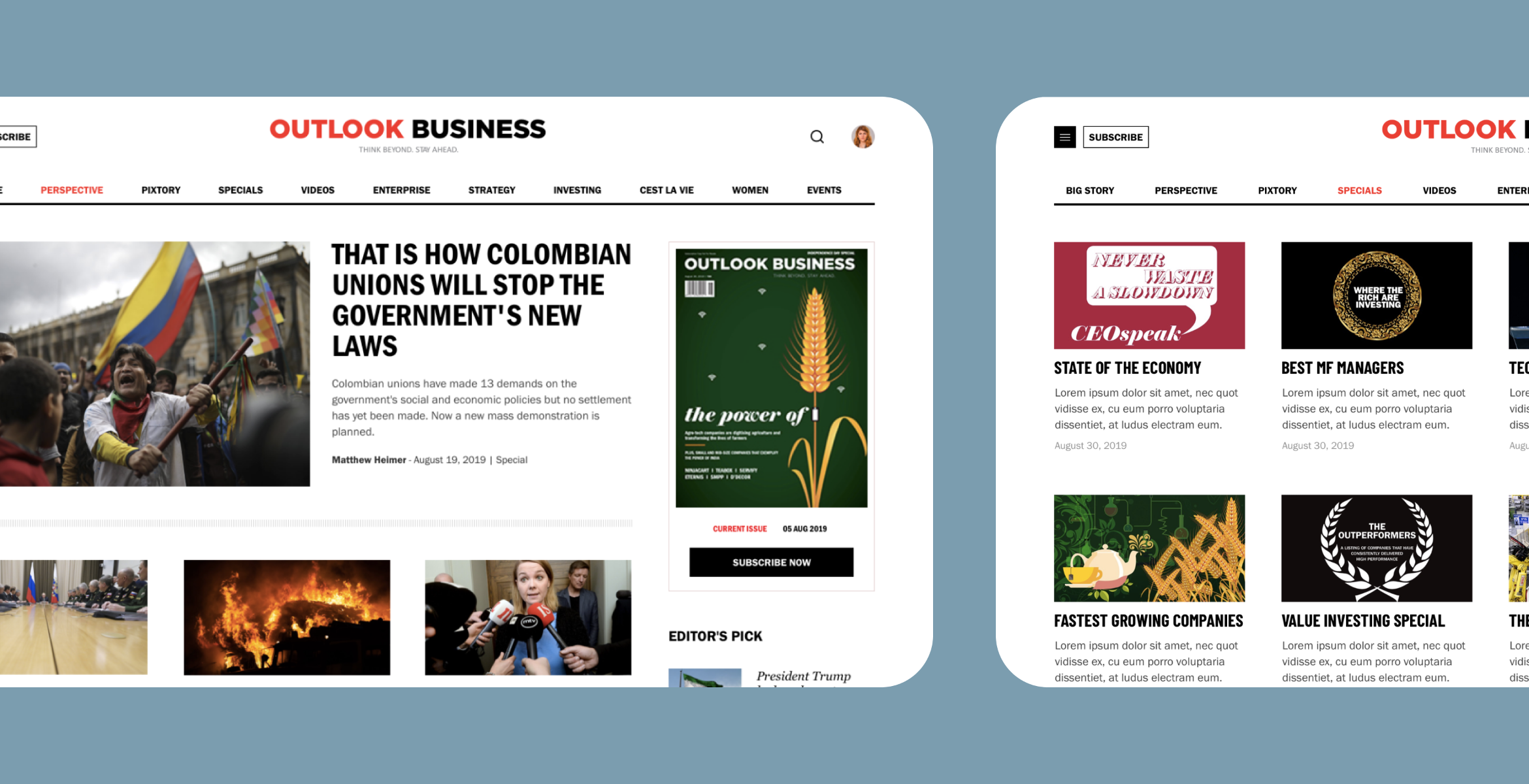
News Laundry
Reader-Supported Independent News and Media Organisation


Cartoon Mango was great to work with. They improvise and provide 24X7 support.
Gaurav Saxena
Media Manager - BCCI



Design for Success
AI Automation
- AI Operations
- Manufacturing AI
- Logistics AI
- Retail AI
- Finance AI
- Healthcare AI
- HR AI
Engagement
- Gamification
- Interactive Marketing
Solutions
- Progressive Web Apps
- Legacy Modernization
- Marketplace Apps
- On-Demand Apps
- Maintenance & Support